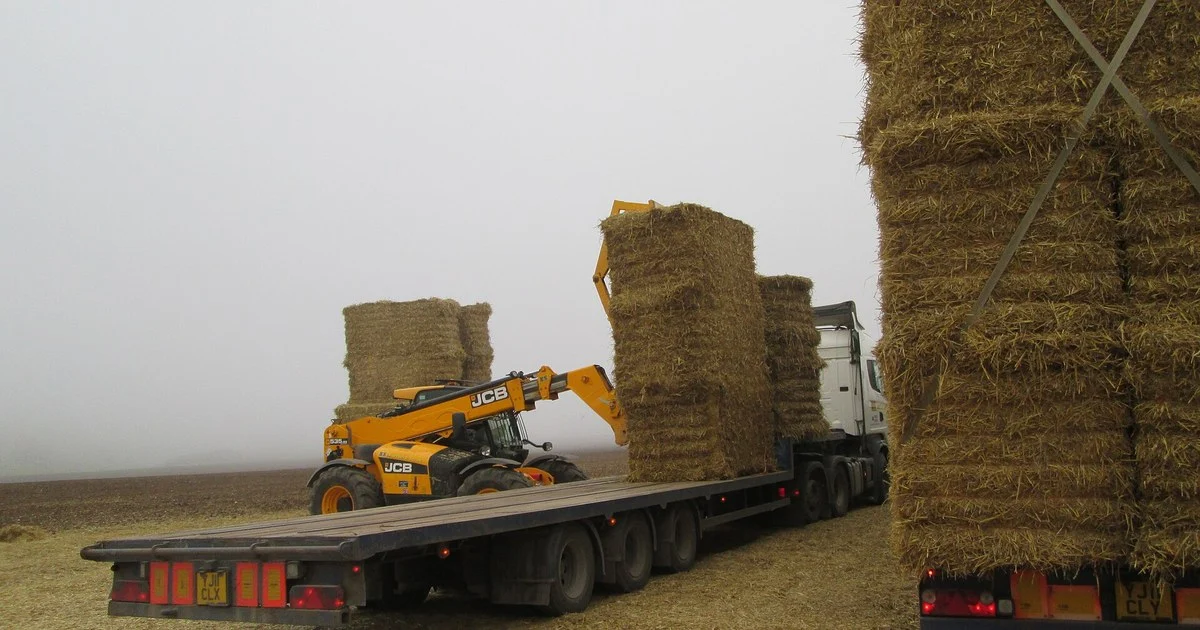
Cover photo: Jeff Buck (CC BY-SA 2.0, cropped) · Source
The honest answer: the UK farm labour shortage in 2026 cannot be solved by a visa route alone. The Seasonal Worker visa helps some horticulture and poultry businesses fill peak labour, but it is temporary by design. Farms still need earlier planning, better induction, tighter supervision, realistic crop plans and a backup for the week the labour does not arrive exactly when the crop does.
This is written from the practical grower side of the problem. Tim Harfield has spent 21 years in salad and veg in Suffolk, so seasonal labour is not an abstract policy phrase here. But this article sticks to public-source rules and the farm-office planning that follows from them, not private numbers that have not been supplied for this piece.
A way through this story
UK farm labour shortage 2026: the route is useful, but narrow
The official worker-facing page is GOV.UK’s Seasonal Worker visa guide. It puts horticulture on a six-month temporary footing, with a separate poultry window late in the year. That alone tells farms something important: the route is a peak-season tool, not a permanent workforce plan.
For fruit, veg, flowers and other seasonal horticulture, the six-month limit fits the shape of some crops and clashes with others. For poultry, the defined autumn-to-Christmas window is even tighter. The labour plan has to fit the rule rather than wishing the rule fitted the farm.
The Home Office sponsor page — Sponsor a seasonal worker — was last updated on 8 April 2026. It is guidance for employers and sponsors, and it is the page to read when the question moves from “can a worker come?” to “how does the farm actually organise this properly?”
| Labour point | What the rule says | What farms should plan around |
|---|---|---|
| Horticulture visa length | Seasonal Worker visa can cover a six-month horticulture stint. | Plan work blocks, housing, supervision and return-home dates around a temporary route, not a permanent staffing fix. |
| Poultry window | Poultry work is limited to the autumn-to-Christmas window set out on GOV.UK. | Christmas poultry labour needs separate timing from field horticulture labour. |
| Application timing | The application window opens before the certificate start date, rather than after the worker is needed. | Late recruitment compresses visa, travel, induction and accommodation work into the same few weeks. |
| Decision timing | GOV.UK says workers usually get a visa decision within 3 weeks after applying and proving identity. | Build margin for delays. A crop will not wait because paperwork is tidy in theory. |
| Sponsor route | Home Office sponsor guidance says seasonal workers come through approved scheme operators. | Individual farms need to understand the sponsor/operator chain, not just the worker’s arrival date. |
The planning failure usually starts before the worker arrives
Farm labour problems are often described as if they begin on the first day a worker is missing. In reality, they usually begin months earlier: the cropping plan assumes a labour force that is not yet secured, accommodation is not ready, supervisors are stretched, the induction is treated as a formality, and the harvest window is narrower than the office plan admitted.
The Seasonal Worker visa page says workers can apply up to 3 months before the start date listed on their certificate of sponsorship. It also says a decision is usually made within 3 weeks after the online application, identity checks and documents are complete. Those are useful timelines, but they are not the same as people standing in the field trained and ready.
Travel, housing, payroll setup, language support, transport to site, welfare checks, health and safety training, and crop-specific work rates all sit after the visa process. If those are not organised, the farm has only moved the bottleneck from immigration to management.
Horticulture needs labour matched to crop pressure, not averages
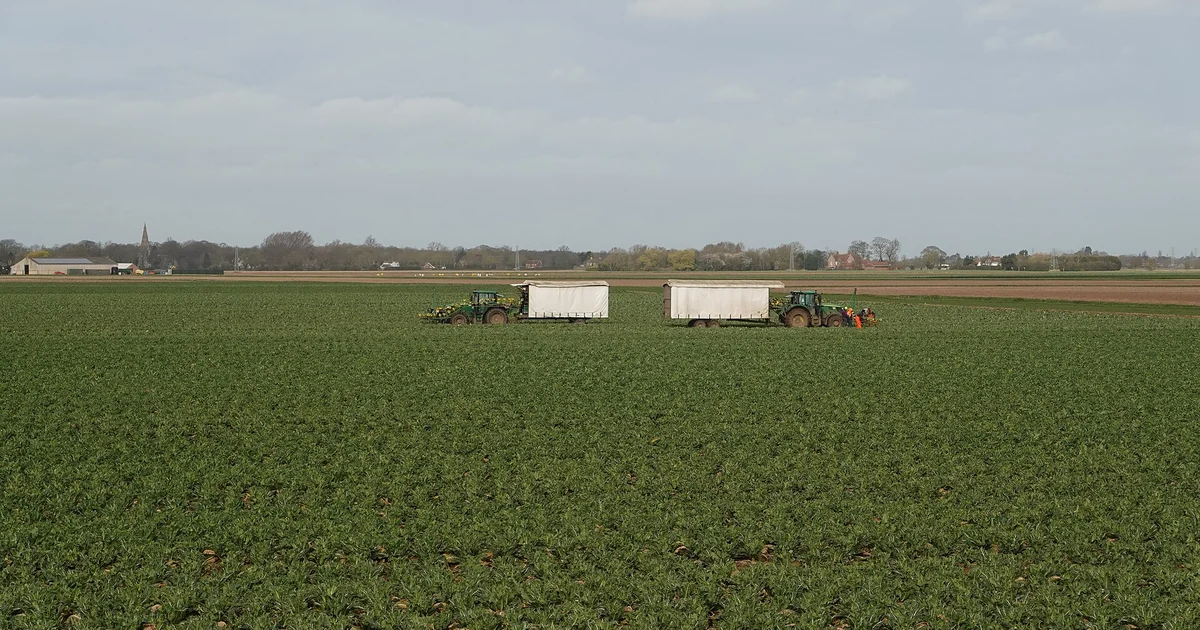
Salad and veg work is unforgiving because the crop does not spread itself evenly across the month. Weather can pull harvest forward, disease can shorten the usable window, and customers still expect orders to land cleanly. A farm that plans labour on seasonal averages can still be short at the exact week that matters.
This is where the labour plan should sit beside the cropping plan. Which blocks are labour-heavy? Which jobs are time-critical? Which crops can be cut later with quality loss, and which cannot? Which customer commitments are fixed? Which jobs can be done by contractors, and which need trained regular hands?
BritFarmers’ UK salad and vegetable production guide and glasshouse and polytunnel production guide give the wider horticulture context. Labour is one of the constraints that decides whether those systems work commercially.
Poultry has a different labour clock
The poultry side of the Seasonal Worker visa is not just “horticulture with birds”. GOV.UK sets a late-year poultry window, and says poultry Seasonal Worker visa applications must be made by 15 November each year.
That timing matters because Christmas poultry is a hard deadline. A late start or weak induction is not easily recovered. Welfare, biosecurity, processing pressure, cold-chain work, transport and long days can all land in the same compressed window.
Farms using seasonal poultry labour need the same basic discipline as horticulture, but with less slack. The work plan, housing, transport, welfare checks, supervisors and contingency cover need to be ready before the busy period starts.
Do not treat labour as separate from safety
Seasonal labour is often new labour. New labour is higher-risk if the farm assumes people understand machinery, livestock, chemicals, ladders, knives, trailers, forklifts, cold stores, hygiene rules or traffic routes without proper induction.
That is why the farm labour conversation sits next to the UK farm safety guide. A short induction is not enough if the job is complicated, fast or dangerous. Supervisors need time to supervise, not just a title on a rota.
Good labour management is not soft. It is commercial discipline: fewer mistakes, less rework, lower injury risk, cleaner product, better retention and fewer ugly surprises halfway through harvest.
What farms can control in 2026
- Start earlier than feels necessary
- Visa, sponsor, travel and housing timing should be worked back from the crop, not from an admin calendar.
- Build a crop-by-crop labour map
- Write down peak weeks, critical jobs, likely weather pinch points and where contractors can realistically help.
- Prepare supervisors
- Supervision is a job, not a reward for being experienced. Give people time and authority to do it.
- Keep accommodation and transport honest
- Bad logistics will waste good labour faster than most farms expect.
- Grow your own people
- The visa route fills a season at best. For the longer-term pipeline, our farm apprenticeships and skills guide covers the training routes and the levy.
- Have a smaller-crop fallback
- If labour is uncertain, the most honest plan may be fewer acres, fewer crops, or fewer customer promises.
Policy matters, but farms still need a working plan
It is reasonable for growers and poultry businesses to argue that policy needs to reflect real labour demand. It is also true that policy uncertainty makes crop planning harder. But farm businesses cannot stop at frustration. The rota, crop map, housing list, induction sheet and backup plan still need writing.
The Seasonal Worker route can be part of that answer. It is not the answer by itself. A farm that treats it as a complete labour strategy is still exposed to timing, training, welfare, supervision and crop-risk problems.
For businesses also looking at wider resilience, BritFarmers’ farm diversification guide is relevant. Diversification can spread income, but it can also add labour pressure if the farm does not cost staff time properly.
Bottom line
The UK farm labour shortage in 2026 is not only a shortage of people. It is a shortage of slack. Crops, weather, customers, visa timing, housing, transport and supervision all have to line up in a narrow window.
The Seasonal Worker visa remains an important tool for horticulture and poultry, but it should be treated as one part of a labour system. The farms that cope best will be the ones that plan earlier, crop more honestly, train better and leave themselves fewer heroic weeks.
FAQ
How long can Seasonal Worker visa holders work in UK horticulture?
GOV.UK says eligible horticulture work can last up to 6 months, including work such as picking fruit, vegetables or flowers.
What is the poultry Seasonal Worker visa window?
GOV.UK says poultry work has a late-year window and poultry visa applications must be made by 15 November each year.
Does the Seasonal Worker visa solve the farm labour shortage?
No. It can help with peak seasonal labour in eligible sectors, but farms still need a wider plan for recruitment timing, housing, training, supervision, safety and crop risk.
You’ve reached the end of this story.