Soay Sheep of St Kilda: Britain’s Most Primitive Breed
Tim’s take:
Most breed histories are stories about what farmers did to sheep. The Soay is the opposite: a sheep that farming left behind on a rock in the Atlantic and that got on perfectly well without us for a few thousand years. That is what makes her interesting, and it is also, fair warning, what makes her a very particular animal to actually keep.
A way through this story
A relic from the Neolithic
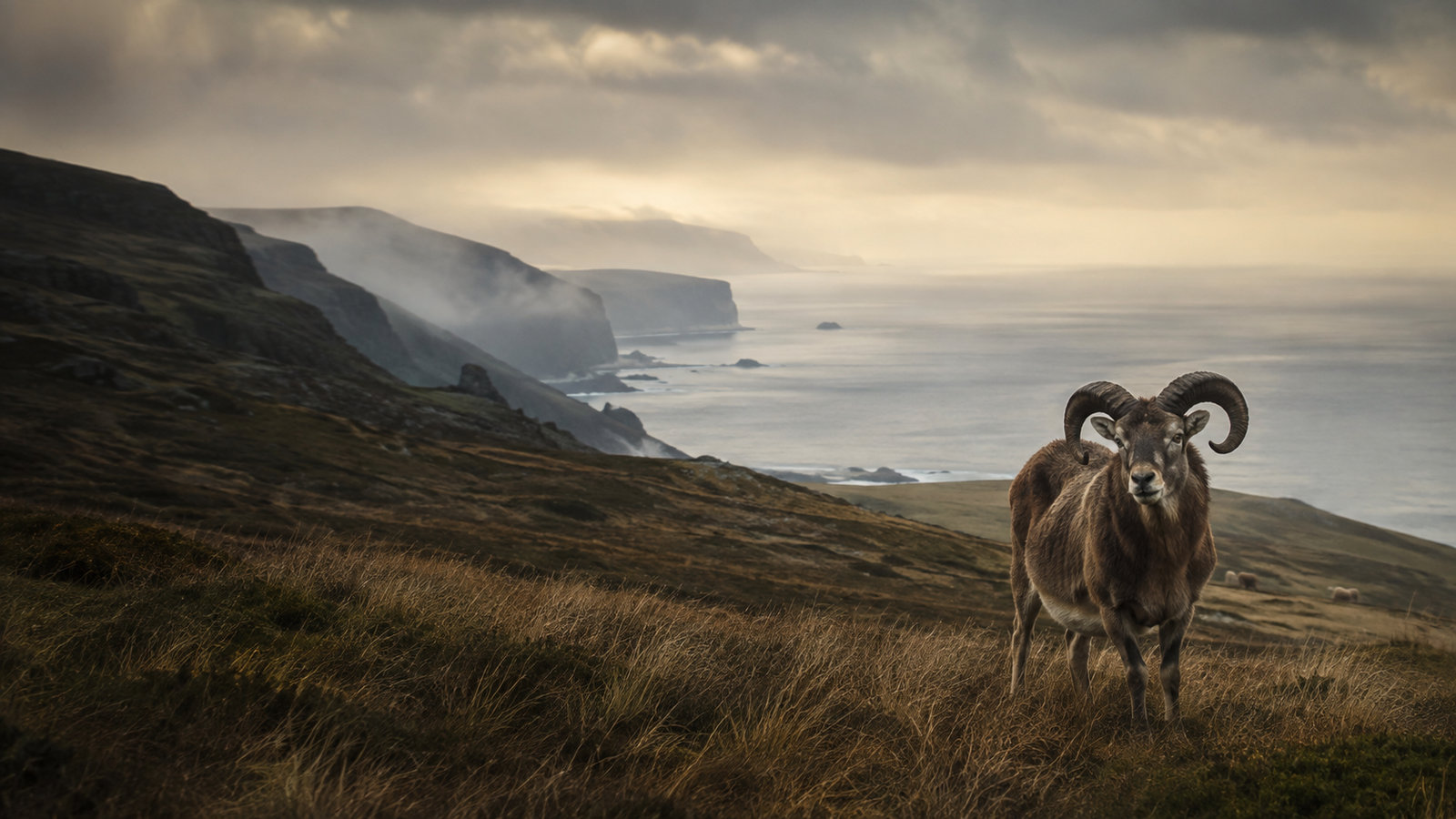
The Soay is generally held to be Europe’s most primitive domestic sheep, closer in type to the flocks of Neolithic Britain and the wild mouflon than to anything in a modern sale ring. The breed takes its name from Soay, a 100-hectare island in the St Kilda archipelago, roughly 65 kilometres west of the Western Isles, where a feral population has survived in isolation since prehistory. The Soay and Boreray Sheep Society and the Rare Breeds Survival Trust hold the breed records; the RBST lists her on its watchlist.
The St Kilda story gives the breed its second chapter. When the islands’ last residents were evacuated in 1930, sheep from Soay were moved onto the emptied pastures of neighbouring Hirta, and that unmanaged flock has run feral ever since. It has also become one of the most closely studied animal populations in the world, a natural laboratory for population biology, though the sheep themselves remain gloriously indifferent to their scientific celebrity.
What she is like
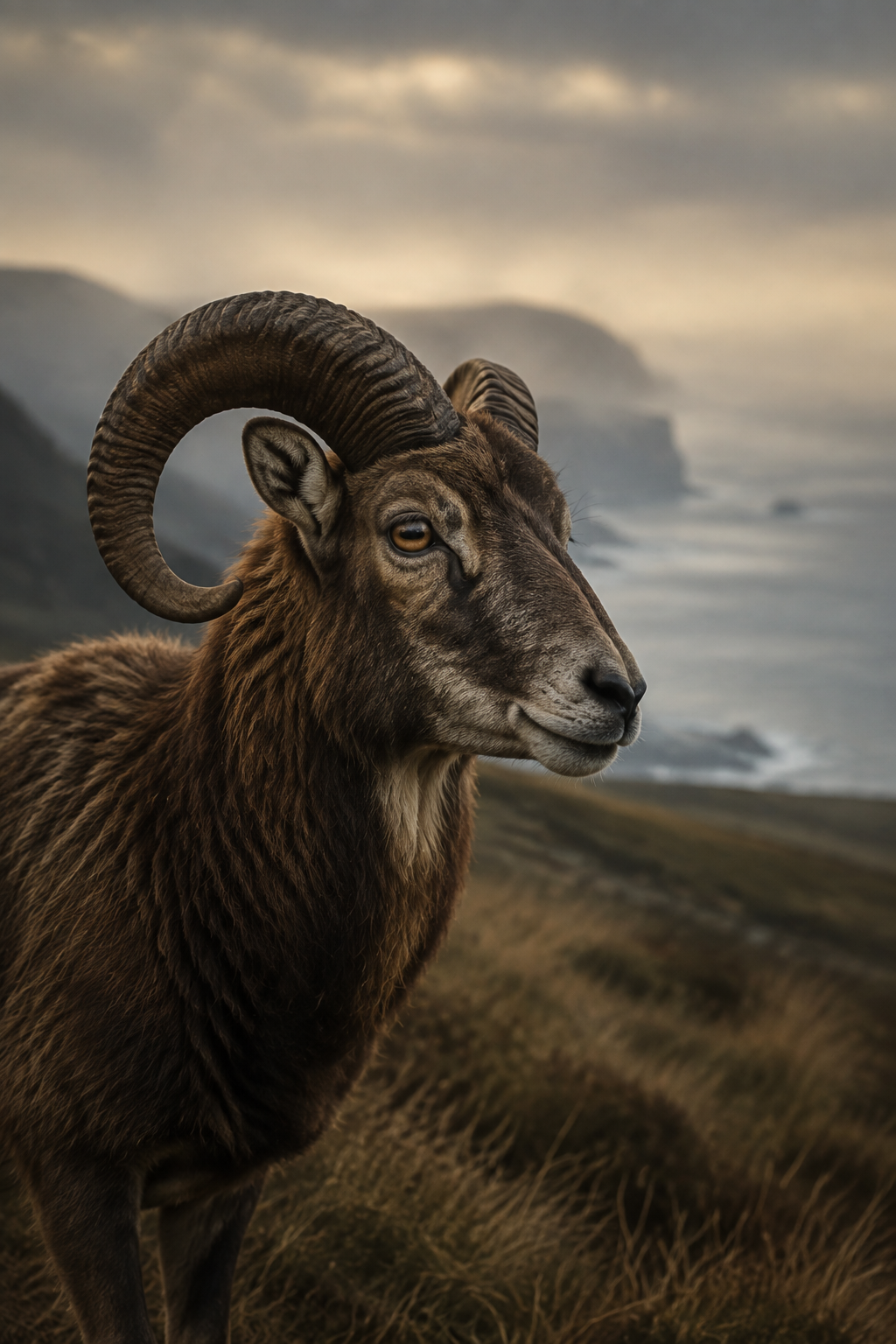
Small, brown and quick. Ewes run to about 25kg and rams 40kg, roughly half the weight of a commercial ewe, in shades from tan to chocolate with lighter patches at the eyes, jaw, rump and underside. Horns vary more than in any mainstream breed: most rams carry a full spiral, while ewes may be horned, polled or scurred. The build is light and athletic, nearer a deer than a lowland sheep, and the fleece moults naturally in summer, which is why the island populations were traditionally plucked rather than shorn.
Keeping Soays
The breed’s virtues are genuine: extreme hardiness, easy lambing of small lively lambs, and longevity, with ewes productive to 10 or 12 years old. Lambing percentages tell the range of the animal: 80 to 90% in unmanaged feral conditions, rising to 150% under good lowland management. Conservation grazing is where she has found modern work, thriving on rough forage that would sink a commercial ewe.
The costs are equally real. The carcase is small and slow to finish, the temperament is independent and fence-testing, and gathering a flock that can jump like she can is an education. A Soay flock is a choice about what a holding is for, conservation, meat for the house, the pleasure of the animal, rather than a route to a lamb cheque. Where she does and does not fit is the kind of question our UK sheep farming guide is built for, the arithmetic of any small flock is in our sheep cost guide, and if she is bred pure the calendar work is the same as any flock’s: our sheep breeding guide covers it.
Frequently asked questions
Where do Soay sheep come from?
From the island of Soay in the St Kilda archipelago, 65 kilometres west of the Western Isles, where a feral population has survived since prehistory. A second feral flock was established on Hirta after the 1930 evacuation of St Kilda’s people.
Are Soay sheep good for smallholdings?
For conservation grazing, house meat and low-input keeping, yes: hardy, easy-lambing, long-lived. For commercial lamb production, no: the carcase is light and the temperament tests fences and patience.
Are Soay sheep rare?
The breed sits on the Rare Breeds Survival Trust watchlist. The island flocks are feral and the mainland population is small and scattered, so keeping them is conservation work as much as farming.
You’ve reached the end of this story.
Images in this edition are AI-generated editorial illustrations.