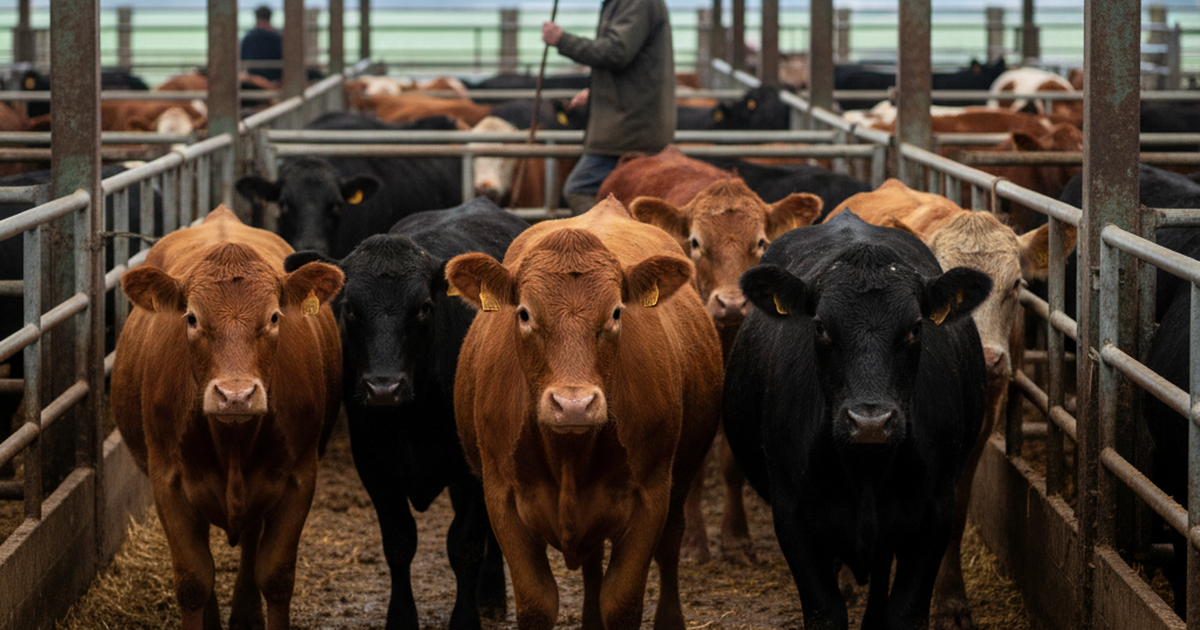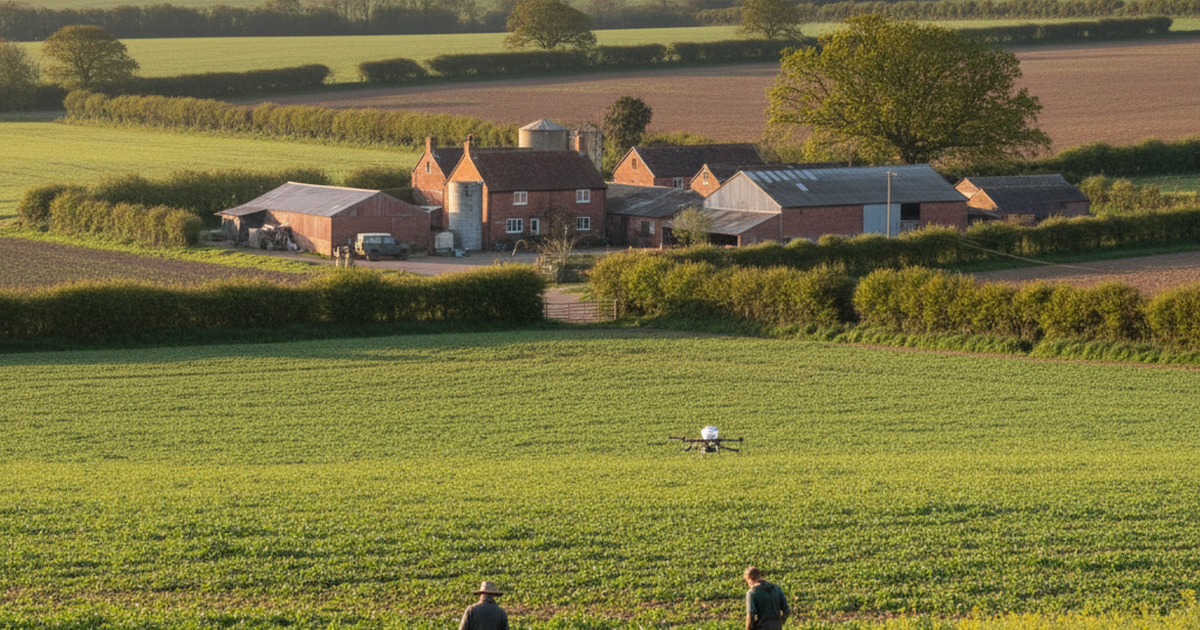
Open days at top-performing units are the most cost-effective CPD in dairy farming, and Treveale Farm hosting a working visit on 30 June is exactly the kind of opportunity working dairy operations should be clearing diaries for. The RABDF NMR Gold Cup recognises whole-system performance, not single metrics, and a 12,000kg-per-cow yield supported by a recently-invested-in dairy and upgraded youngstock facilities is a system worth seeing in operation.
The detail to register is the family structure: Paul Broad, Wendy Broad, Irwin Morrow, and sons David and Philip. Multi-generational management with explicit upgrade investment in 2018 (dairy) and 2023 (youngstock) is the operational template most aspirational dairy farms talk about and few execute on a useful timescale. Treveale executed and the yield numbers reflect it.
For working dairy farmers, the practical move on 30 June is to attend with specific questions, not general curiosity. The Broad-Morrow operation is happy to share, but a focused conversation about ration formulation, youngstock targets, or replacement rates produces transferable insight. A walk-around appreciation does not. If 30 June isn’t workable, the underlying lesson transfers: operational discipline plus targeted infrastructure investment plus generational succession discipline produces the yield numbers most farms are still trying to manufacture through breeding alone.
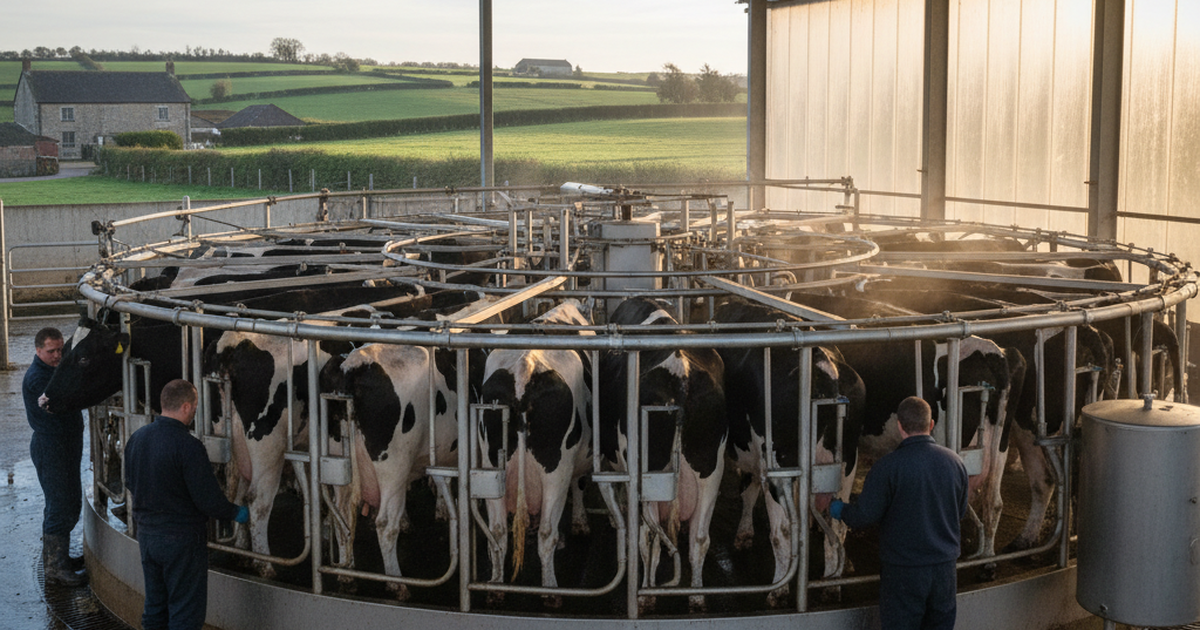
Treveale Farm, near Truro in Cornwall, owner of this year’s RABDF NMR Gold Cup, is opening its gates to demonstrate how the operation reaches 12,000kg per cow. The open day, scheduled for 30 June, is a practical look at the management system behind the award — not a networking event but a working visit. The Broad and Morrow family (Paul Broad, Wendy Broad, Irwin Morrow, and sons David and Philip) are running the unit, which invested in a new dairy in 2018 and upgraded youngstock facilities in 2023.
Top Dairy Opens Gates to Share Secrets of High Yields — Gold Cup
This isn’t some fluffy ‘networking event’ (though there’ll be plenty of that, no doubt). This is a practical opportunity for dairy farmers to get under the bonnet of a seriously high-performing operation. The Broad and Morrow family – Paul Broad, his wife Wendy, her brother Irwin Morrow, and sons David and Philip – are running the show, and they’ve proven their mettle. Winning the Gold Cup is about good cows; it’s about meticulous management, attention to detail, and a clear vision. They’ve invested smartly, too, with a new dairy unit in 2018 and youngstock facilities recently upgraded in 2023, showing that even top performers know there’s always room to improve and adapt.
Genetics, Forage, and Data Drive Performance
So, what’s their secret sauce? It seems to be a well-oiled machine built on strong genetics, careful nutrition, and a closed herd system that’s paying dividends for their 471-strong pedigree Holstein Maymor herd. They’re not just chasing numbers; they’re prioritising longevity and health, evidenced by low youngstock mortality – a critical metric often overlooked in the race for milk. Visitors will get a first-hand look at how these systems translate from theory into day-to-day reality, affecting everything from milk consistency to herd health.
The day is walking fields, mind you. There’s a proper lineup of talks scheduled, hitting on all the major pressure points facing dairy farmers today. Think milk markets, getting the most out of your forage (a constant battle), smart slurry management, business planning (because let’s be real, it’s a business ), and disease control. Robert Craig, the RABDF chairman, put it well, noting that these open days are invaluable for seeing “best practice in action” and that farmers will leave with “practical ideas, fresh thinking, and valuable connections.” And he’s spot on; a fresh pair of eyes and a chat with someone who’s already cracked a problem you’re grappling with can be worth its weight in gold.
Importance of Data-Driven Decisions
NMR’s involvement, as proud sponsors of the Gold Cup, underscores their belief in data-driven management – an aspect Ben Bartlett, their sales and marketing director, was keen to highlight. He noted that the open day provides a “fantastic opportunity for farmers to see, first-hand, how the management decisions are data driven and the attention to detail which underpins such an outstanding dairy business.” And he’s not wrong. In today’s farming sector, relying on gut feeling alone just won’t cut it. The future, and indeed the present, of profitable dairy farming is inextricably linked to understanding and acting upon the numbers.
Farmers, particularly those from the South West and further afield, would be wise to register in advance. These events, especially when they feature a Gold Cup winner showcasing yields of this magnitude, tend to fill up fast. We’ll be keeping an eye out for further details on speakers and exhibitors, but honestly, the farm itself is the main draw here.
What This Means for Farmers
For the working farmer, this is a day out; it’s a chance to put some serious knowledge in your pocket. We’re all facing tightening margins, rising input costs, and public scrutiny, so efficiency is a buzzword – it’s survival. Seeing a farm that’s achieving 12,000kg per cow isn’t about copying them exactly; it’s about seeing what’s *possible* with the right approach. It reminds us that performance doesn’t happen by accident; it’s the result of diligent planning, smart investment, and relentless attention to detail. Many of us can’t drop a brand new dairy unit in, but we can all adopt elements of their feeding regimes, calf management, or genetic selection. Look at their closed herd policy and focus on youngstock mortality – these are practical, often budget-neutral strategies that can improve your In short, and herd health significantly. This is for the big boys; the principles of good management and data use apply to every farm, regardless of size.
What to Do Next
If you’re serious about taking a leaf out of Treveale Farm’s book, the first step is clear: get registered for that open day on June 30th. Don’t dither; these opportunities don’t come every week. Beyond that, start thinking about what you want to achieve on your own farm. Is it better forage utilisation? Tighter disease control? Do you know your own youngstock mortality rates, and how do they compare? Use the upcoming event as a catalyst to review your own operations. Talk to your vets, your nutritionists, and your local farming groups. The best ideas often come from seeing how others tackle the same challenges you face, and this open day promises to be an absolute goldmine of such insights.
Frequently Asked Questions
When and where is the Gold Cup Open Day being held?
The RABDF NMR Gold Cup Open Day is on June 30th at Treveale Farm, near Truro, Cornwall.
What can farmers expect to learn at Treveale Farm?
Visitors will gain practical insights into boosting herd performance, efficient forage use, business management, and disease control, focusing on how Treveale achieves over 12,000kg milk per cow.
Who runs Treveale Farm?
Treveale Farm is run by the Broad and Morrow family, including Paul Broad, Wendy Broad, Irwin Morrow, and sons David and Philip.
What is the herd size and breed at Treveale Farm?
Treveale Farm runs a pedigree Holstein Maymor herd of 471 cows.
BritFarmers Weekly — launching soon
One honest email a week when we launch — what’s moved on schemes, prices, disease control and policy, with links to primary sources. Join the early list.