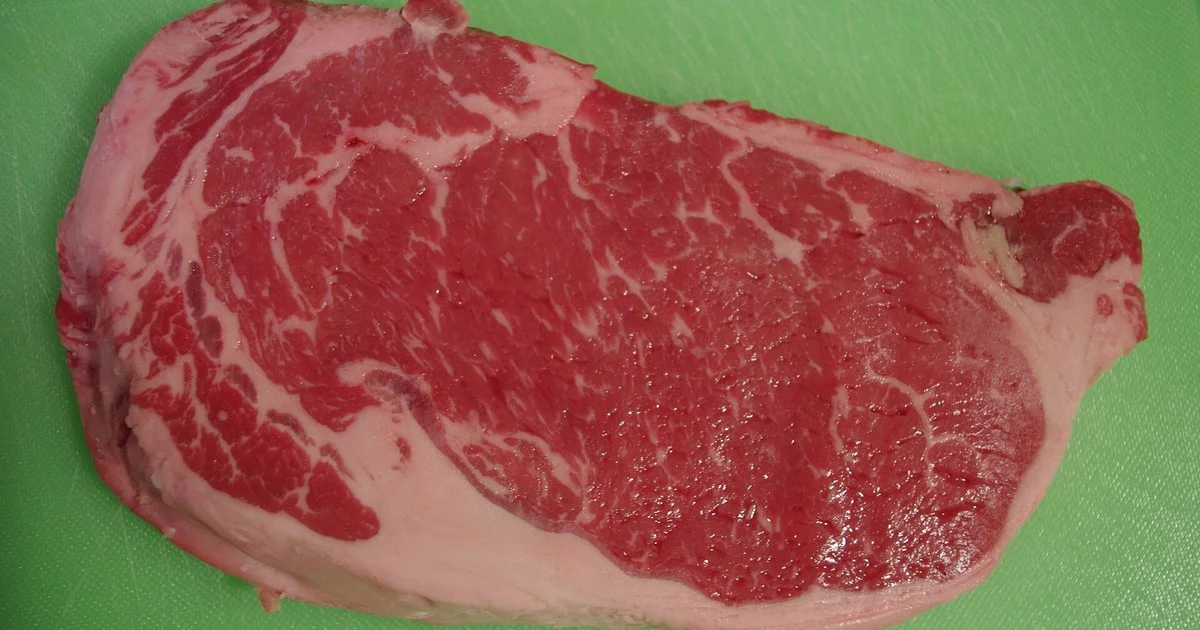
Cover photo: Jellaluna (CC BY 2.0, cropped) · Source
Meat Fraud — Food crime cases that work their way to court are the visible part of a much larger problem the rest of the sector pays for indirectly. The £70,967 confiscated from Anthony Fear’s London illegal meat operation is a straightforward win for enforcement, and the 1.9 tonnes of Category 3 by-product processed into the food chain is the part the legitimate butchering and abattoir sector now has to absorb in reputational damage.
The detail to register is that the conspiracy-to-defraud conviction predates the confiscation. Fear was already serving 42 months from August 2025. The financial recovery is the second leg of the case, and the fact that the FSA’s National Food Crime Unit kept moving on the asset side after the criminal conviction signals a posture change: enforcement now follows through on assets, not just custody.
For working livestock farms, the practical move is supply chain due diligence. If you’re selling into a small-scale abattoir or butcher you don’t know personally, ask about FSA registration, traceability documentation, and Category 3 disposal arrangements. The legitimate end of the trade has nothing to hide, and the questions strengthen the relationship rather than damage it. Meat sector buyers will be tightening their own due diligence in response, and producers should expect more documentation requests.
A way through this story
Unsafe Meat Operation Uncovered — Meat Fraud
Cases that undermine public safety and the reputation of honest farmers and butchers hit every part of the supply chain. The latest from London is a case in point: authorities have confiscated £70,967 from an illegal meat operation peddling unsafe products into the UK food chain. The sum matters, but the bigger issue is the integrity of the food supply and the reputation of British agriculture that the sector works hard to uphold.
The operation, centred on an illegal meat cutting plant in the capital, was found processing 1.9 tonnes of Category 3 animal by-products — material that should never reach human food. Anthony Fear, the director of Fears Animal Products Limited, was already locked up in August 2025, serving 42 months for conspiracy to defraud. Now, the Food Standards Agency’s National Food Crime Unit (NFCU), working alongside Southwark Council, has made sure he and his company can’t keep a penny of their ill-gotten gains. This sends a clear signal that the financial penalties for such contemptible behaviour are very real indeed.
Profits of Crime Seized
The confiscation order, issued at the Central Criminal Court, saw Fear and his company each ordered to repay £35,483.63 under the Proceeds of Crime Act. This is a slap on the wrist; it’s a direct hit where it hurts most for these rogue operators – their wallets. The NFCU has made clear that recovering criminal profits is a core pillar of its enforcement strategy — a significant change from a period when such cases were rarely pursued to the financial wire.
Yvonne Barwani, a senior financial investigator at the NFCU, didn’t pull any punches, stating, ‘If you have profited from criminal activity, we will find you and take those profits from you… crime simply does not pay.’ That’s a message every farmer who plays by the rules will want to hear loud and clear. Andrew Quinn, head of the NFCU, reinforced this, letting everyone know that even if they try to hide assets, investigators are equipped to track them down. It’s a testament to the dedication of these units, and it offers some reassurance that while these incidents occur, there are people fighting tooth and nail to stamp them out.
What This Means for Farmers
For working farmers, news like this cuts deep. You’re out there every day, battling weather, market prices, and endless regulations, all to produce high-quality, safe food. Then come cases of operators pushing dangerous waste into the food chain — a genuine source of frustration to producers who run to specification and keep their records in order. This meat fraud crackdown, though, offers a glimmer of hope. It demonstrates that the authorities are serious about protecting our industry’s reputation and, more importantly, public health. Every time an operation like Fears Animal Products Limited is exposed and financially penalised, it strengthens the trust consumers place in the legitimate supply chain – the one you are a part of.
This is about punishment; it’s about protecting the value you add to British produce. When consumer confidence drops due to a scandal, it impacts everyone, from the largest arable farm to the smallest livestock holder. The meticulous traceability systems we’ve invested in, the animal welfare standards we uphold, and the food safety protocols we follow are all undermined by those who choose to operate outside the law. These crackdowns, with their significant financial penalties and prison sentences, serve as a very public warning that the sector is not a free-for-all for criminals. It also provides some measure of vindication for the honest, hard work that defines British farming. We need to see more of this, more often.
Protecting Our Market and Our Reputation
Councillor Natasha Ennin from Southwark Council hit the nail on the head, stressing the ‘serious risks that illegal food operations pose to public health’. It’s not hyperbole; it’s a stark reality that any farmer who takes pride in their product understands instinctively. This case isn’t an isolated incident; it’s part of a wider, ongoing battle against food crime that impacts us all. The efforts to clamp down on illegal activity are important for maintaining the credibility of British food and ensuring our export markets understand that these are outliers, not the norm.
Fears Animal Products Limited still faces sentencing in the coming months, reminding us that the wheels of justice, while sometimes slow, do eventually turn. This persistent pressure from the NFCU and local councils is exactly what’s needed to deter others who might consider a similar path. For farmers, it’s a necessary, if uncomfortable, reminder of the constant vigilance required across the entire food supply chain, from field to fork. The message is clear: if you see something suspicious, report it. Your vigilance helps protect not just consumers, but the integrity of the whole agricultural sector.
What to Do Next
For farmers and those in the legitimate food industry, the ongoing fight against food crime means staying vigilant. Regularly review your own supply chain, even with trusted partners, to ensure you’re not inadvertently linked to any dubious operators. The NFCU and local authorities rely on tip-offs, so if something smells fishy (or, in this case, suspiciously like Category 3 by-products), report it. Don’t assume someone else will. Your active participation helps fortify the defences against these fraudulent activities.
Keep abreast of updates from food standards agencies; they often publish guidance on best practices and emerging threats. Engage with your industry bodies; they’re often at the forefront of lobbying for stronger enforcement and better protection for legitimate businesses. Ultimately, every effort you make to uphold high standards and report irregularities reinforces the reputation of British agriculture, making it harder for the fraudsters to thrive. It’s an ongoing battle, but one we must collectively win for the sake of our livelihoods and our consumers.
Frequently Asked Questions
What was the core of the meat fraud operation?
An illegal meat cutting plant in London was processing 1.9 tonnes of Category 3 animal by-products – material not intended for human consumption – and selling it as food.
Who was brought to justice in this case?
Anthony Fear, director of Fears Animal Products Limited, was sentenced to 42 months in prison in August 2025. His company is awaiting sentencing.
How much money was confiscated?
A total of £70,967 was confiscated from Anthony Fear and Fears Animal Products Limited under the Proceeds of Crime Act, with each ordered to repay £35,483.63.
BritFarmers Weekly
One email a week: what’s moved on schemes, prices, disease control and policy, with links to primary sources. Free. No sponsors. Unsubscribe anytime. Subscribe.
Official Sources
You’ve reached the end of this story.