Cover photo: Simon Mortimer (CC BY-SA 2.0, cropped) · Source
CIPM2 flower-rich grass margins in SFI26: £798/ha, the 4 grass and 10 wildflower mix rule, the 25% limit, cutting advice and compatible actions.
A way through this story
CIPM2 in brief
- Action: CIPM2 Flower-rich grass margins, blocks or in-field strips, part of the integrated pest management group in SFI26
- Payment: £798 per hectare per year
- Duration: 3 years
- Land: arable land, temporary grassland, fallow and permanent crops below the moorland line
- Mix: at least 4 non-ryegrass grasses and 10 wildflower species
- Limit: a 25% limited area action
- Fertiliser: no mechanical application of fertiliser or manure
- Applications: closed, according to GOV.UK
SFI26 is closed: who this page is for
GOV.UK shows the SFI26 offer as closed for applications. Window 1, for small farms and farms without an existing environmental land management revenue agreement, closed at 11:59pm on 28 August 2026. Window 2 opened to all eligible farmers in September and shut at 3:48pm on 22 September 2026 after the budget had been allocated.
If CIPM2 is in your new SFI26 agreement, the rules below are what you signed up to. If your margins are in an SFI24 or SFI 2023 agreement, keep following that agreement’s version. Planners looking ahead can use this as a guide to what the action asks.
Payment rate and the old IPM2 code
CIPM2 pays £798 per hectare per year under SFI26, in quarterly instalments. Unlike several other actions, the SFI26 change log for CIPM2 does not mention a rate cut. The main change it lists is that you can now enter the total or part of a parcel’s available area.
IPM2 was the SFI 2023 version of this action. The government’s table of SFI 2023 rates showed IPM2 rising from £673 to £798 per hectare from 1 January 2024. CIPM2 is the SFI24 code, carried forward into SFI26.
What the margins are for
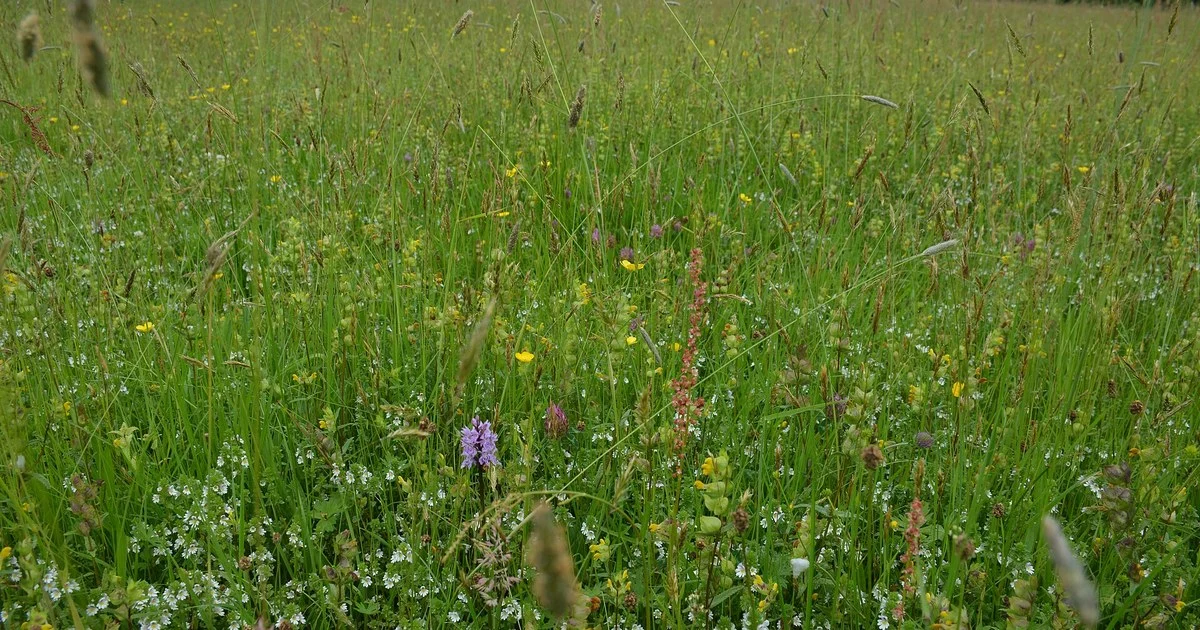
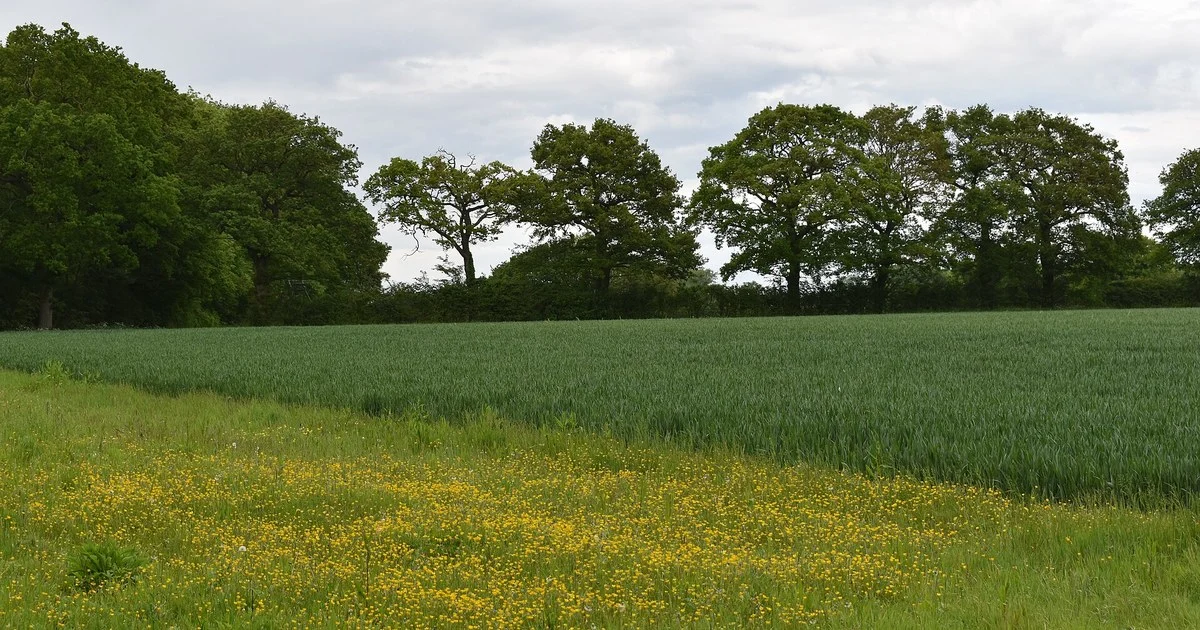
GOV.UK describes the aim as an established, multi-annual flower-rich grass mix in margins, blocks or in-field strips, flowering in spring and summer and into early autumn.
Placed near cropped land, the strips are meant to encourage natural predators of crop pests as part of an integrated pest management approach. They also provide habitat and forage for wild pollinators such as bumblebees, solitary bees, butterflies and hoverflies, and for farmland birds.
Where CIPM2 can go
The land has to lie below the moorland line, carry an eligible land cover on your digital maps and be declared with a compatible land use code:
- Arable land used to grow crops (arable or leguminous and nitrogen-fixing crop codes)
- Temporary grassland (TG01)
- Arable land lying fallow (FA01)
- Permanent crops, horticultural and non-horticultural
SSSIs are eligible with Natural England consent in place before you start. Land with historic or archaeological features needs an SFI HEFER first.
CIPM2 is a limited area action. Your total across all limited area actions must not exceed 25% of the farm’s agricultural area, counted across SFI 2023, SFI24 and SFI26 agreements and Countryside Stewardship Higher Tier agreements from 2025.
Seed mix and management requirements
The seed mix must include at least:
- 4 grass species, none of them ryegrass, making up no more than 90% of the mix by weight
- 10 wildflower species, with no single species above 25% of the wildflower element by weight
Once established, usually from the second spring after sowing, you must not cut or graze in a way that defeats the aim, use the strips for regular vehicle access, turning or storage, or mechanically apply fertiliser or manure. Pesticides are banned apart from herbicide weed wiping or spot treatment of injurious weeds, invasive non-native species, nettles or bracken.
Existing flower-rich margins can be used if they meet the rules and are not already paid for under another option, such as Countryside Stewardship AB8 (flower rich margins and plots).
Timing and records
New margins must be sown by early autumn, within 12 months of the action’s start date, then kept at the same location until the action ends. For an existing margin, you may need to oversow within the first 12 months so it can meet the aim.
For evidence, keep parcel-level field operation records and invoices that show the seed mix, along with photographs or other documentation, and produce them if asked.
Stacking with other actions
GOV.UK lists AGF1 and AGF2 (agroforestry), PRF2 and the organic actions OFC3, OFC4, OFC5, OFM4, OFM5 and OFM6 as SFI26 actions that can share the same area. From SFI24, CIPM1, CNUM1 and CSAM1 are compatible, and from SFI 2023, IPM1, NUM1 and SAM1. Hedgerow and boundary actions such as CHRW2, BND1, BND2 and WBD2 can go on the parcel boundaries.
The earlier SFI 2023 guidance suggested that doing the IPM assessment and plan action first can help you decide where margins will do most good.
Sowing and cutting advice
These are GOV.UK suggestions, not requirements. Suitable grasses include common and creeping bent, crested dog’s-tail, sheep’s fescue, slender red fescue, smaller cat’s-tail and sweet vernal grass. Flowers include bird’s-foot trefoil, black and greater knapweed, field scabious, lady’s bedstraw, ox-eye daisy, red clover, ribwort plantain, sainfoin, self-heal, wild carrot, yarrow and yellow rattle. A richer mix tends to hold its flowers longer and need re-sowing less often.
Pick sunny, low-fertility sites, since grasses and weeds dominate fertile ground. Wide strips or blocks of around 0.5 ha or more give insects a buffer from spraying, and spreading them out helps; five 0.5 ha blocks across 100 ha is the example given. The recommended minimum flower seed rate is 2 kg per hectare. Sow into a firm, warm, moist seedbed between March and mid-September, ideally by the end of August, broadcasting or drilling no deeper than 1 cm.
In the first 12 months, cut whenever weeds start to shade the sown flowers. After that, a spring cut before April and a cut or graze between mid-August and the end of October help keep fertility down and flowers up. Stagger cutting across strips, and consider leaving around 10% uncut each year as winter refuge. Check for nesting birds before cutting and remove cuttings where you can.
Frequently Asked Questions
What is CIPM2 in SFI?
CIPM2 is the SFI action for flower-rich grass margins, blocks or in-field strips. It pays for a perennial grass and wildflower mix that feeds pollinators and supports natural predators of crop pests.
How much does CIPM2 pay in 2026?
CIPM2 pays £798 per hectare per year under SFI26, over a 3-year agreement.
What is the difference between IPM2 and CIPM2?
IPM2 was the SFI 2023 code for this action and CIPM2 the SFI24 code, which carries on into SFI26. Each agreement keeps the rules of the offer it was signed under.
Does CIPM2 count towards the 25% limit?
Yes. It is a limited area action, so together with your other limited area actions it must not exceed 25% of the farm’s agricultural area.
Can I graze CIPM2 margins?
Once established you can cut or graze them, as long as the way you do it still lets the margin flower and meet the action’s aim.
BritFarmers Weekly
One email a week: what’s moved on schemes, prices, disease control and policy, with links to primary sources. Free. No sponsors. Unsubscribe anytime. Subscribe.
Source: GOV.UK: CIPM2 Flower-rich grass margins, blocks or in-field strips (updated for SFI26)
You’ve reached the end of this story.