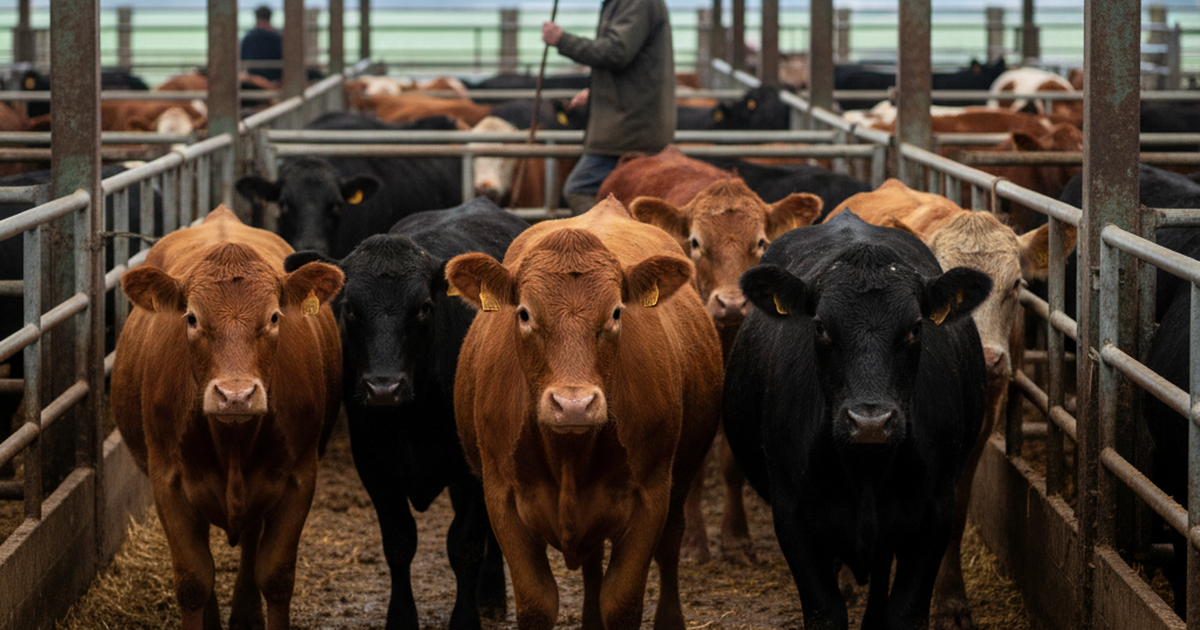


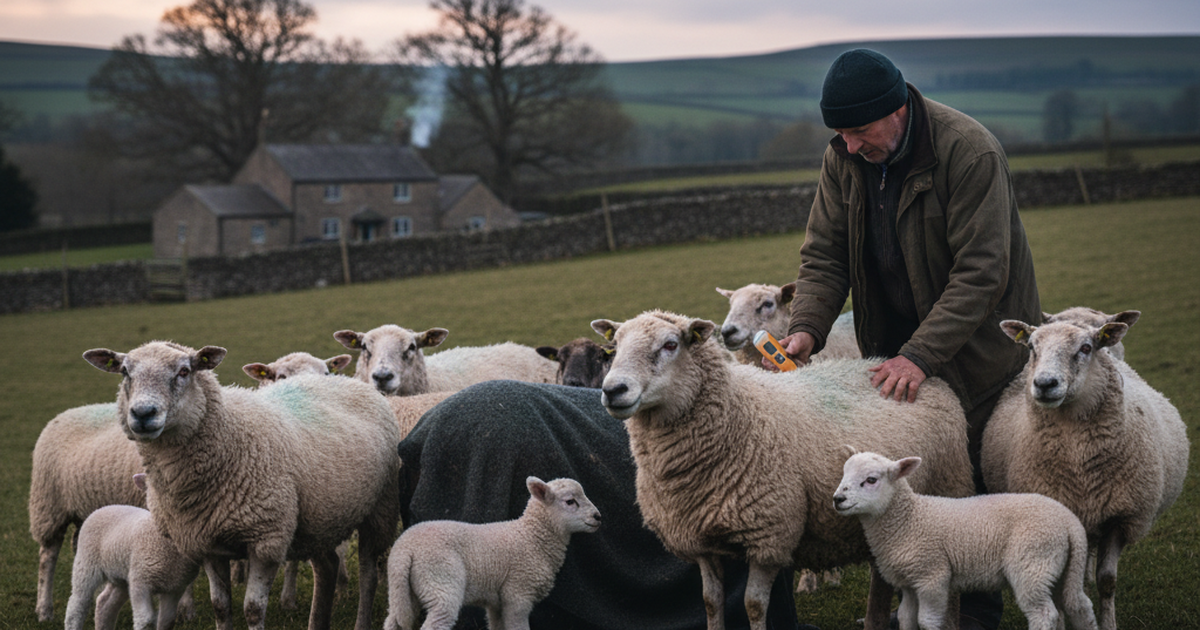
Bluetongue Cases — Bluetongue numbers don’t make the front pages until they reach a threshold no working livestock farmer wants to see. 328 confirmed cases across Great Britain since the 2025-2026 season opened is past that threshold, especially with the spring calving impact only now becoming visible.
The detail to read past the headline is the symptom profile coming out of the recent confirmations. Calves with star-gazing posture, head tilt, blindness, and failure to thrive aren’t isolated freak presentations. They’re the predictable outcome of in-utero infection, and the timing of late-March confirmations suggests the autumn 2025 vector window did more damage than the case count alone shows.
For working livestock farms, the practical move is two parts. First, document any abnormal calvings or stillbirths against the regional case map. Second, talk to your vet about voluntary BTV-3 vaccination access ahead of the next vector season, because reactive vaccination after confirmation is too late to save the spring 2027 calf crop. The disease is now established in enough vector territory that pretending it isn’t is no longer a viable position. The question for autumn isn’t whether to plan around it; it’s how aggressively.
Fresh cases as spring calving adds to bluetongue toll — Bluetongue Cases
The number of confirmed bluetongue cases across Great Britain has reached 328 since the 2025-2026 season began, with the disease continuing to devastate livestock through late March 2026. The latest batch of cases confirmed between 9 and 27 March paints a grim picture: calves born blind, with brain deformities, neurological signs, and animals failing to thrive.
According to Defra and the Animal and Plant Health Agency, one new case of BTV-8 was confirmed on 24 March in East Sussex after a cow suffered a late-term abortion or stillbirth. Three days earlier, on 20 March, three BTV-3 cases were confirmed across Hampshire, Cumbria, and Staffordshire – including two calves with “star gazing” and head tilt, two cows with decreased fertility and a blind calf, and a calf born small, weak and unable to adapt. The most recent case, confirmed on 27 March, involved a calf in West Yorkshire born alive but lethargic, unable to feed, and found to have brain deformities at postmortem.
Of the 328 total cases, 306 are in England, 22 in Wales, and none in Scotland. Northern Ireland has recorded five confirmed BTV-3 cases. The vast majority of English cases – 295 – involve only BTV-3, with four involving only BTV-8 and seven animals testing positive for both serotypes. The location of all affected premises is available on the official bluetongue case map.
What This Means for Farmers
To be clear: this isn’t a problem that’s going away. The fact that we’re still confirming new cases in late March, when we should be entering lower-risk months, is deeply worrying. More concerning still is the pattern emerging in the clinical signs – calves born with such severe neurological damage that they can’t feed, can’t see, and are effectively non-viable. These aren’t just statistics. They’re animals that farmers have watched struggle and die.
The economic hit is clear. A stillborn calf or one that survives only hours represents lost investment in breeding, feed, and care. But the knock-on effects could be worse. If bluetongue becomes entrenched in midge populations through the summer, we could see an even larger outbreak when the 2026-2027 season kicks off. That means higher costs for vaccination, tighter restrictions on animal movement, and continued pressure on already stretched margins.
For those of you with control zones in your area, movement restrictions remain in place. The rules around identifying and recording animals haven’t changed, and they exist for good reason – moving an infected animal, even one that appears healthy, can spread the disease further. I know these restrictions are frustrating when you’ve got animals to sell or move, but the alternative is letting bluetongue spread to farms that have so far stayed clear.
What to Do Next
Vaccination remains your best line of defence. If you haven’t already started vaccinating against BTV-3, speak to your vet today. The BTV-8 vaccine is also available and, given that we now have animals co-infected with both serotypes, covering both bases makes sense. It’s not a guarantee – no vaccine is – but it’s the closest thing to one we’ve got.
Biosecurity matters too. Midges are the vector, so think about how you can reduce exposure. That means considering insecticide-treated nets where practical, keeping animals indoors during peak midge activity at dawn and dusk, using fans and good shed ventilation to disrupt midge movement, avoiding wet low-lying grazing during peak activity, and clearing standing water where midges breed. I know it’s extra work on top of everything else, but we’re in a situation where every precaution counts.
Above all, if you spot anything suspicious – reduced fertility, aborted foetuses, calves born weak or blind, animals with fever or mouth lesions – report it to your vet immediately. Early detection helps contain spread and gives you a better chance of managing the bluetongue death situation before it gets worse. The message from Defra is clear: be vigilant and report suspected cases. It’s the kind of vigilance that keeps your neighbours’ farms safe as well as your own.
Quick checklist for the next few weeks
- Speak to your vet about BTV-3 (and BTV-8) vaccination — book it, don’t wait for symptoms.
- Walk stock at least once a day during calving and look specifically for weak, blind, or non-feeding calves.
- Where you can, house animals at dawn and dusk, run sheds with airflow, and keep stock off the wettest low-lying ground.
- Check the current control-zone rules before any movement — even animals that look healthy.
- If something looks off — aborted foetus, neurological signs, fertility drop — call your vet the same day.
Frequently Asked Questions
How many bluetongue cases have been confirmed in the 2025-2026 season?
As of 30 March 2026, there have been 328 confirmed cases of bluetongue across Great Britain since 1 July 2025. England has 306 cases, Wales has 22, and Scotland has none.
What are the most recent bluetongue cases?
Cases confirmed in late March 2026 include a BTV-8 case in East Sussex (late-term abortion/stillbirth), BTV-3 cases in West Yorkshire (calf with brain deformities), Lancashire (blind calf), Hampshire, Cumbria, and Staffordshire (various neurological signs in calves).
Is there a vaccine for bluetongue?
Yes. Vaccination is available for both BTV-3 and BTV-8 serotypes. Farmers are strongly encouraged to vaccinate their livestock as the primary defence against the disease.
What are the clinical signs of bluetongue?
Clinical signs include fever, lethargy, reduced fertility, aborted foetuses, and in severe cases, neurological signs in newborn animals such as blindness, head tilt, star gazing, and inability to feed. Mouth lesions and crusty lesions around the muzzle may also appear.
Are there movement restrictions in place?
Yes. Control zones remain in place in affected areas, restricting the movement of susceptible animals and their products. Livestock identification and movement rules apply – farmers should check the latest restrictions before moving any animals.
BritFarmers Weekly — launching soon
One honest email a week when we launch — what’s moved on schemes, prices, disease control and policy, with links to primary sources. Join the early list.