Window 2 of SFI26 was open for part of one day, and most of the money went to farms that were already in a scheme. Defra’s official statistics, published on 25 September, show that about 72% of the roughly 12,200 applications came from businesses whose Countryside Stewardship, Environmental Stewardship or SFI agreement expires on or before 28 February 2027. Around 10% came from farms with no existing agreement at all.
So Window 2 mostly kept existing agreement holders from falling off a cliff when their current deals end. Very few new farms got in.
A way through this story
The headline numbers
| Window 1 | Window 2 | |
|---|---|---|
| Applications | around 6,700 | around 12,200 |
| From businesses with an agreement expiring by Feb 2027 | 4% | about 72% (around 8,800) |
| From businesses with no existing CS, ES or SFI agreement | about 10% | about 10% (over 1,100) |
| From businesses with 3–50 ha of agricultural land | 68% | about 21% |
Source: Defra, SFI applications Window 2, September 2026, and the Farming blog update of 23 September.
The two sums don’t reach 100%. By subtraction, roughly 18% of Window 2 applications came from businesses that already hold an agreement but one that runs past February 2027. Defra doesn’t break that group down.
Defra says the figures are rounded and “should be treated as indicative rather than exact”. They count applications at the moment the window closed, not agreements. Some applications will fail checks, and the final actions, areas and values may differ.
Why the expiring-agreement group dominated
This was deliberate design, not luck. Window 1, earlier in the summer, was reserved for small farms and those new to Environmental Land Management schemes, which is why 68% of its applicants farmed between 3 and 50 hectares and only 4% had an agreement about to end.
Window 2 was open to everyone, and it came with a change that mattered: for the first time, the application service let farmers apply for SFI26 actions on land still under an existing agreement before that agreement ended. Previously they would have had to wait. Defra’s blog credits that change for the 8,800-plus applications from farms with agreements ending by 28 February 2027.
Those businesses had the most to lose. Many were already set up for the actions, had their mapping in order and, often, an agent watching the clock. Window 2 opened and closed on 22 September, shutting at 15:48 once Defra had enough applications to allocate the budget. That kind of first-come, first-served rush favours whoever is best prepared, and the figures bear that out.
The budget went up twice
Our earlier coverage of SFI 2026 actions and payment rates quoted a Window 2 budget of £233m. That has since moved. On 23 September Defra said ministers had added a further £20m, on top of the £50m the Prime Minister announced in August, taking Window 2 to £253m and the total for new SFI26 agreements across both windows to £310m. Defra puts the value of those agreements at £930m over three years.
Divided across 12,200 applications, Defra calculates the average agreement value applied for at about £20,700.
For comparison, the 5,752 Window 1 agreements live on 24 September averaged £28,000. Agreements under SFI23 and the SFI expanded offer averaged £56,000, and the 90th percentile has halved, from £126,000 to £63,000. That is the £100,000 annual cap and the reduced payment rates doing what Defra intended: fewer very large agreements. Defra notes the figures “may change considerably” as more SFI26 agreements go live.
What people applied for
Window 2 applicants chose from all 14 SFI26 action groups. The five most common actions, by the share of applications that included them:
| Action | Applications | Share |
|---|---|---|
| CLIG3 Manage grassland with very low nutrient inputs | 7,415 | 60.8% |
| CHRW2 Manage hedgerows | 4,310 | 35.3% |
| CSAM3 Herbal leys | 3,370 | 27.6% |
| CAHL2 Winter bird food on arable and horticultural land | 2,657 | 21.8% |
| CIPM4 No use of insecticide on arable and permanent crops | 2,621 | 21.5% |
CLIG3, CHRW2 and CSAM3 were also in Window 1’s top five. The grassland-heavy mix fits a Window 2 applicant base dominated by existing agreement holders, many of them livestock and mixed farms rolling over from Countryside Stewardship. That last point is our reading; Defra hasn’t published applications by farm type.
If you missed out
If you started an application but didn’t submit it before 15:48 on 22 September, you can’t submit it now. Two exceptions apply, and only if you contacted the Rural Payments Agency (RPA) before the window closed:
- Assisted digital farmers, who need the RPA to complete the application for them
- Technical issue farmers, who were prevented from applying by a fault in the service
The RPA says it will contact everyone with a started-but-unsubmitted application to confirm whether it is withdrawn or can continue. Applications are processed in the order they were submitted, and Defra hasn’t yet said when offers will go out.
Other routes that remain open:
- Countryside Stewardship Higher Tier through the expression of interest process, including woodland improvement, agroforestry, and new single-focus agreements for species-rich grassland and scheduled monuments. Our Countryside Stewardship guide covers how that works.
- SFI in 2027. Defra says it plans to open a 2027 offer “as early as possible” and is “exploring alternatives to a first come, first served application process”.
That second line is the one to watch. There’s no date, no budget and no detail on what would replace first come, first served. Until those exist, the practical advice is the unglamorous one: get your land details and action choices ready now, because nothing Defra has said so far guarantees the 2027 window will be any slower than this one.
For farms with no agreement, the fact is plain. About 1,100 newcomers applied in Window 2, against around 8,800 applications from agreement holders protecting income they already had. Whether 2027 changes that ratio depends on a scheme design nobody has published yet.
Sources
- Defra, Sustainable Farming Incentive applications Window 2 September 2026, official statistics, 25 September 2026
- Defra Farming blog, SFI26 Window 2: an update, 23 September 2026
- Defra Farming blog, SFI26: Window 2 now closed, 22 September 2026
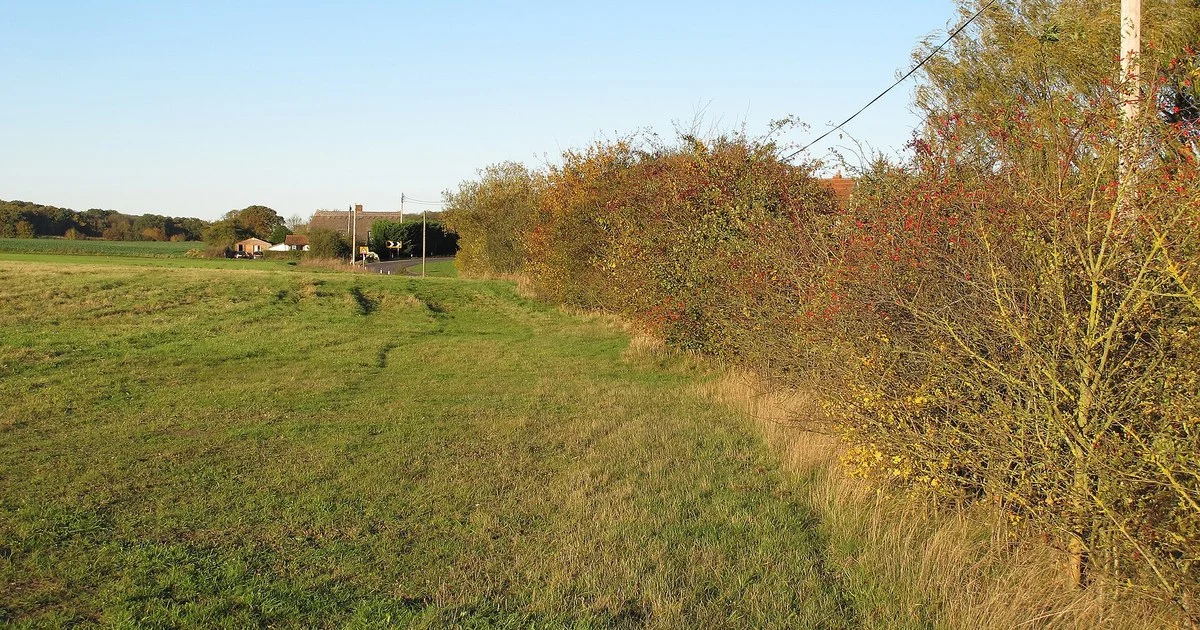
Cover photo: A managed hedgerow beside grassland near Great Dunmow, Essex, in November 2013. Hedgerows and low-input grassland were the two most common actions in Window 2. Photo: Roger Jones (CC BY-SA 2.0, cropped), via Wikimedia Commons.
You’ve reached the end of this story.