Levy board appointments are the kind of news that disappears from working farmers’ attention within a day, which is exactly why they matter. AHDB is funded by levies most producers don’t choose to pay, and the board sets which research, market access, and trade-development priorities those levies actually support. New board members shape the next three years of that allocation.
Elena Lokteva and James Standen between them bring three decades of commercial and financial discipline plus operational depth. Lokteva’s audit and risk experience is the part to read carefully. AHDB has had repeat questions from producers over the years about whether the levy is being deployed efficiently and how the value of programmes is measured. A board member with a CFO and audit-chair background can move that conversation from rhetorical to evidence-based.
For working farms, the practical move is to use the AHDB consultation channels over the next year. Both appointments are fresh enough to be open to producer input in a way they won’t be once committee positions harden. If there’s a research priority your enterprise has been asking AHDB about for years, this is the moment to put it in front of someone whose role is to weigh new questions, not defend old ones.
Two fresh faces arrive at the AHDB levy board — New Board Members
The Agriculture and Horticulture Development Board has confirmed two new independent board members, with their terms beginning this spring. Elena Lokteva starts her three-year appointment on 1 April 2026, followed by James Standen on 1 May 2026. Both appointments were made in line with the Cabinet Office’s Governance Code on Public Appointments, which means merit, not political allegiance, drove the selection process.
Lokteva brings over three decades of commercial and financial experience across capital-intensive and regulated sectors. She’s held senior international financial leadership roles, including serving as Chief Financial Officer in automotive retail, cross-border joint ventures, and investment management. Her board-level work spans healthcare, energy, automotive, manufacturing, and retail organisations, and she’s chaired Audit, Risk, Finance, and Performance Committees. Put plainly, she’s a finance and governance heavyweight, exactly the kind of steadying hand the AHDB needs as it work throughs tighter budgets and pressure on levy rates.
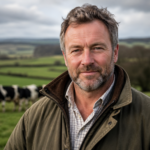
Standen is the Farms Director for Newcastle University and farms in partnership with his wife on a tenanted farm in North Yorkshire. With over two decades of leadership across farm, estate, and agribusiness operations, he combines strategic and financial nous with genuine practical farming experience. He’s overseen large-scale arable and livestock enterprises, multi-site operations, and commercial development, and he’s contributed extensively to the wider sector through board, council, and governance roles. Keyly, he still farms, he hasn’t drifted into abstraction.
The AHDB is a statutory levy board, meaning farmers and growers pay into it and it exists to support the efficiency, productivity, and competitiveness of the agriculture sector across the United Kingdom. It delivers market intelligence, research, and knowledge exchange to help the farming industry improve sustainability, performance, and growth. These appointments matter because the board sets the strategic direction for how that levy money is spent.
What this means for farmers
Let’s be honest, many farmers view the AHDB with a mixture of indifference and suspicion. Levy fatigue is real, and after years of budget cuts, restructuring, and the contentious horticulture and potatoes ballot in 2021, the organisation has had to work hard to rebuild trust. These appointments won’t automatically fix that, but they signal an intent to take governance seriously.
Lokteva’s appointment is particularly telling. The AHDB has faced questions over its financial management and accountability in recent years. A former CFO with audit and risk committee experience across multiple regulated sectors brings a level of financial rigour that should reassure levy payers. If she’s given genuine scope to challenge spending and push for value, this is a win for farmers who’ve long wondered whether their levy is being spent wisely.
Standen’s arrival is arguably more significant for day-to-day farm-level relevance. He still farms in North Yorkshire. He’s responsible for Newcastle University’s farm operations. He understands the pressures on arable and livestock businesses because he’s living them. That kind of grounded, operational perspective has been missing from the board for some time. The risk with levy boards is they become detached from the realities on the ground, Standen’s involvement should help counter that drift.
Specifically, both appointments come at a time of enormous change for UK agriculture. The Agricultural Transition Plan is reshaping farm support payments, input costs remain volatile, and the industry is under pressure to improve environmental performance while maintaining productivity. The AHDB’s role in providing market intelligence and supporting research has never been more important. Whether these two new board members can steer the organisation through that complexity will be the real test.
The fact that both appointments comply fully with the Governance Code on Public Appointments also matters from a transparency standpoint. Political activity played no part in the selection process, which should insulate the board from accusations of ideological capture, a concern that has surfaced periodically in public discourse about levy bodies.
What to do next
Farmers and industry those involved should use this moment to engage directly with the AHDB’s work and make their voices heard. Here’s what I’d suggest:
First, take a look at the current priorities and programmes on the AHDB website. With new board members starting their terms, the organisation will be reviewing its strategic direction, this is the moment to feed in your views on where research funding should be focused and what knowledge exchange activities would actually help your business.
Second, if you pay a levy, you have a stake in how the organisation is run. Contact your relevant sector panel or regional knowledge exchange programme and make sure your experiences and needs are being communicated upward. The AHDB’s value is directly proportional to how well it listens to the people funding it.
Specifically, third, keep an eye on how these appointments translate into actual decisions. Board members are only as good as the impact they have on strategy and spending. Watch for signs that Lokteva’s financial oversight is improving value for levy payers, and that Standen’s farming perspective is shaping practical, ground-level support rather than disappearing into process.
Finally, attend any industry events or AHDB-hosted discussions where these new board members appear. Direct engagement is the best way to hold the board accountable and ensure the AHDB remains useful rather than bureaucratic.
Final analysis
The AHDB has had a turbulent few years. These appointments won’t solve every problem, but they bring genuine competence and relevant experience to the boardroom table. Lokteva offers financial discipline and governance credibility. Standen offers something rarer, real farming credibility. Whether they can work together to restore confidence in a levy-funded body that many farmers view with scepticism will be the story to watch over the next three years.
For now, it’s a case of wait and see, but with a slightly more hopeful outlook than there was before these announcements landed.
Frequently Asked Questions
When do the new AHDB board members start their terms?
Elena Lokteva begins her three-year term on 1 April 2026. James Standen begins his three-year term on 1 May 2026.
How were the new AHDB board members selected?
Both appointments were made in accordance with the Cabinet Office’s Governance Code on Public Appointments. Selection was based purely on merit, with political activity playing no part in the process.
What does the AHDB actually do for farmers?
The Agriculture and Horticulture Development Board is a statutory levy body that supports the efficiency, productivity, and competitiveness of the UK agriculture sector. It delivers market intelligence, funds research, and runs knowledge exchange programmes to help farmers, growers, and the wider supply chain improve performance and sustainability.
Who is James Standen?
James Standen is the Farms Director for Newcastle University and farms in partnership with his wife on a tenanted farm in North Yorkshire. He has over two decades of leadership experience across farm, estate, and agribusiness operations, with expertise in arable and livestock enterprises, multi-site management, and commercial development. He has also held various board, council, and governance roles across the agricultural sector.
Who is Elena Lokteva?
Elena Lokteva has over 30 years of commercial and financial experience across capital-intensive and regulated sectors. She has served as Chief Financial Officer in automotive retail, cross-border joint ventures, and investment management, and has held board-level roles across healthcare, energy, automotive, manufacturing, and retail organisations. She has chaired Audit, Risk, Finance, and Performance Committees.
BritFarmers Weekly — launching soon
One honest email a week when we launch, what’s moved on schemes, prices, disease control and policy, with links to primary sources. Join the early list.