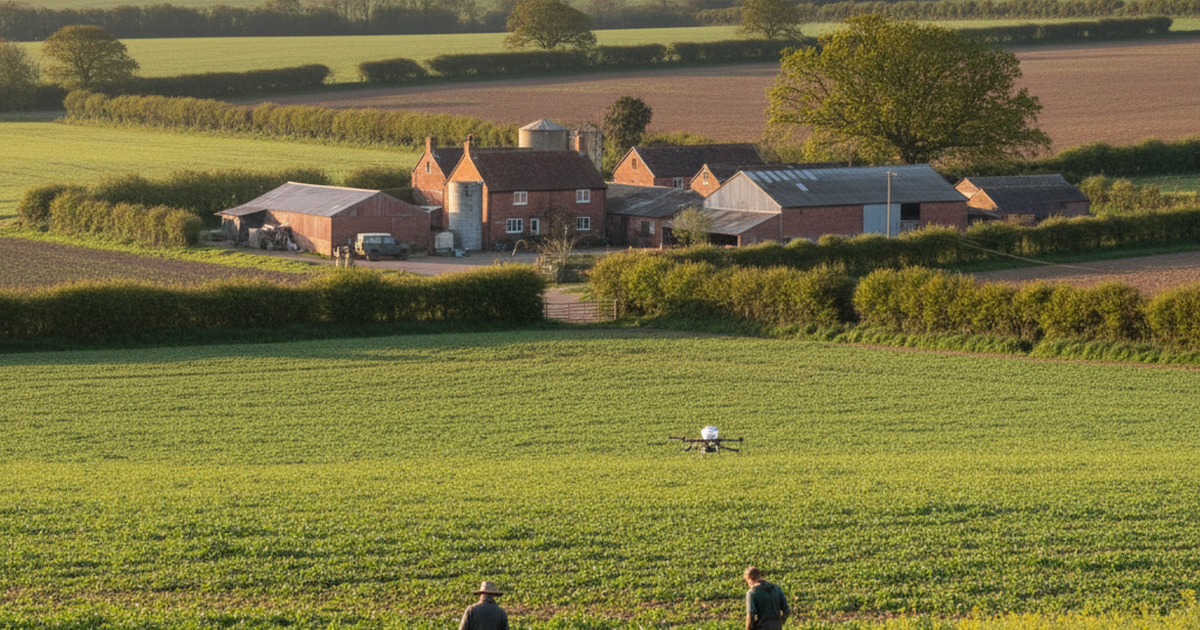


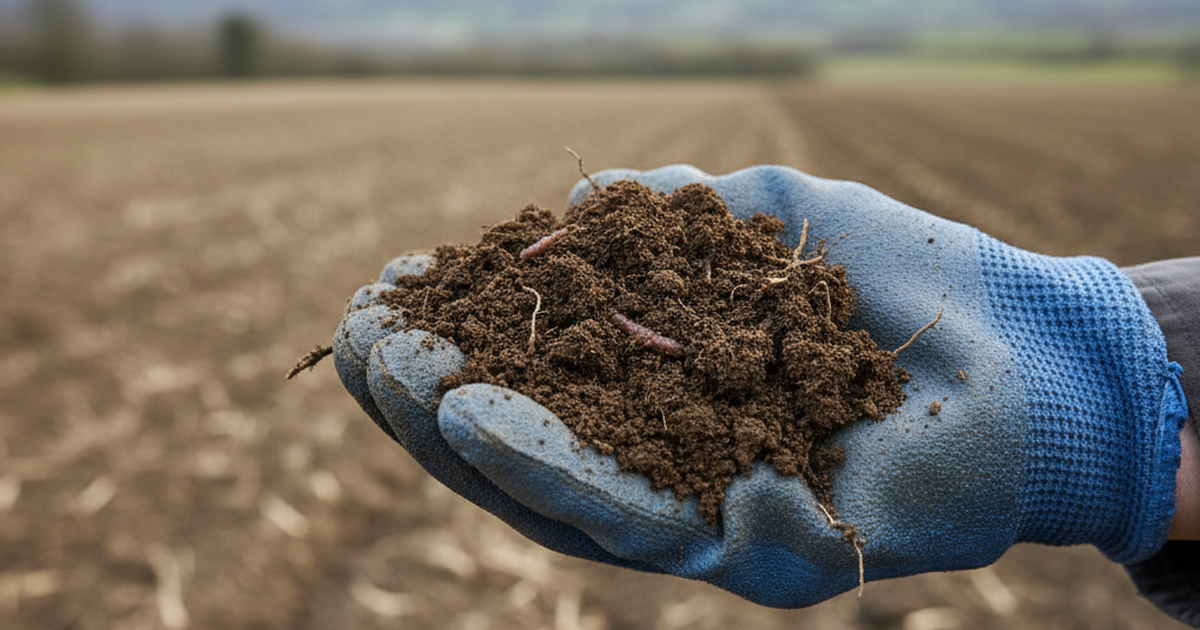
RB209 is the closest thing UK arable farming has to a shared reference text, and the new edition is the first major revision since 2023. With fertiliser still the biggest variable cost on most arable and grassland operations, the practical question for working farms is which of the changes actually move the input plan, and which are technical refinements that won’t.
The detail to read past the headline is the contributor base. Feedback from 900-plus farmers and advisers means the revision has been ground-truthed in a way that the 2023 edition wasn’t to the same extent. The recommendations should match operating reality more closely; if they don’t on your soil type, the new edition has the right author network to flag it back.
For working arable farms, the practical move is to compare the new RB209 application rates against the 2023 edition for your dominant crops and soil types. Where the recommendations have moved, work out whether the change reflects measured efficiency gains or revised assumptions about background fertility. The two require different responses. The geopolitical context the guide acknowledges is genuine. Volatile fertiliser supply makes the difference between an applied recommendation and an over-application meaningfully more expensive than it was.
AHDB releases updated nutrient management guidance — RB209
AHDB has launched the latest edition of its Nutrient Management Guide (RB209), aiming to help farmers slash fertiliser bills while maintaining crop productivity. The update follows a major review involving feedback from more than 900 farmers and advisers, reflecting intense pressure on the sector to use nutrients more efficiently as markets remain volatile. First published in April 2026, this revision is the first since the 2023 “golden anniversary” edition and comes as geopolitical tensions continue to destabilise global fertiliser supply chains.
The guide provides evidence-based information to help growers reduce inputs without compromising yield or quality. With fertiliser representing one of the largest variable costs on arable and grassland farms, getting applications right has never been more financially critical.
Amanda Bennett, AHDB senior environment manager, said the update responds directly to industry demand. “We have listened to what levy payers need from RB209 and have strengthened activity to provide adaptable guidance to meet the nutrient needs of a wide range of farming situations across the UK,” she said. She added that further work is under way to address key knowledge gaps identified during the review.
What the update covers
The revision introduces targeted improvements across soil management, organic inputs, grassland and arable systems. Updated guidance on pH and liming aims to improve soil health, while enhanced data on organic materials gives a clearer picture of nutrient availability in different conditions. New information has been added on nitrogen availability following applications of anaerobic digestate, a gap many farmers have flagged as increasingly relevant as AD plants proliferate across the UK.
In grassland systems, the guide includes more detailed examples of nitrogen recommendations for grazing and silage management. Refinements have also been made to arable crop recommendations, alongside improvements to layout and usability. Alongside these updates, attention is also turning to cover crops, a key area of interest for farmers.
AHDB said consistency of guidance has been improved across the publication, with further research under way to better understand nutrient release following cover crop use. Recent findings suggest most nitrogen taken up by cover crops is released back into the soil within two months of destruction, although this can vary depending on conditions.
Specifically, industry demand for clearer advice is strong. An ADAS-led review found 86% of farmers and advisers expressed a “great interest” in improved nutrient management guidance.
What This Means for Farmers
Let’s be blunt: if you’re still spreading fertiliser without consulting the latest RB209, you’re probably throwing money away. The 2024 review process consulted over 900 levy payers, meaning this isn’t theoretical advice from academics who’ve never set foot in a muddy field. It’s practical guidance shaped by people who understand the real pressures facing British agriculture today.
The emphasis on anaerobic digestate is particularly timely. With biogas plants now dotted across the countryside, many farms have access to digestate but lacked reliable data on nitrogen availability. That knowledge gap has now been addressed, which should help those using digestate to fine-tune their applications rather than over-applying as a safety measure.
For grassland farmers, the more granular nitrogen recommendations could translate into meaningful savings. Every extra kilogram of nitrogen you don’t need to apply is money back in your pocket, and with tight margins unlikely to ease any time soon, those savings compound quickly.
The cover crop research findings are useful but come with a health warning: the two-month nitrogen release window is an average, not a guarantee. Your soil type, moisture levels and incorporation method will all influence actual availability, so don’t ditch your soil testing regime just yet.
What to Do Next
Download the updated RB209 guide from the AHDB website and make time to read the sections relevant to your system before your next major application. Pay particular attention to the new anaerobic digestate and cover crop sections if either applies to your farm.
Speak to your FACTS-qualified adviser about how the updated recommendations might affect your current nutrient management plan. They’ll be able to help you translate the guidance into field-specific decisions.
If you’ve been meaning to sort out your soil pH but keep pushing it down the list, use this as your prompt. Correcting pH is one of the most cost-effective improvements you can make to nutrient use efficiency, and the updated liming guidance will help you get it right.
Specifically, finally, keep an eye on further AHDB research in this area. Ms Bennett confirmed that investment is continuing into the knowledge gaps identified during the 2024 review, so expect the guidance to evolve further. Staying connected to AHDB’s communications will ensure you’re not caught out when new findings are published.
Frequently Asked Questions
When was the updated RB209 guide released?
The new edition was released on 1 April 2026, the first update since the 2023 “golden anniversary” edition.
How many farmers and advisers contributed to the RB209 review?
More than 900 farmers and advisers provided feedback during the 2024 review process.
What are the main updates in the new RB209 guide?
Key updates include improved guidance on soil pH and liming, enhanced data on organic materials, new information on nitrogen availability from anaerobic digestate, more detailed grassland nitrogen recommendations, and updated arable crop advice.
How quickly is nitrogen released from cover crops after destruction?
Recent findings suggest most nitrogen taken up by cover crops is released back into the soil within two months of destruction, though this varies depending on conditions.
BritFarmers Weekly — launching soon
One honest email a week when we launch — what’s moved on schemes, prices, disease control and policy, with links to primary sources. Join the early list.