

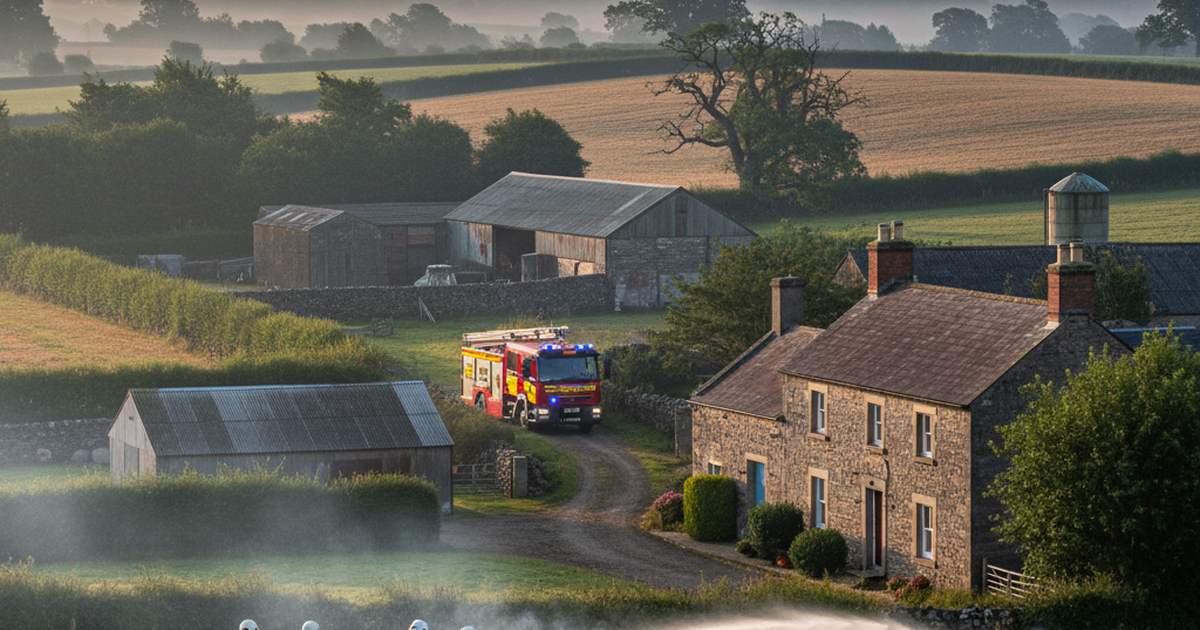
NI Firefighters — Wildfire stories sit in the news cycle for a week, then disappear until the next one. For working farms with rough grazing, moorland, or dry stubble in summer, the lesson stays. 2,500 hectares burned across Northern Ireland in five days in late April is a useful line to keep, because the same fuel load conditions exist across a lot of mainland upland.
The detail working farmers should sit with isn’t the firefighter deployment number; it’s the fact that 65 vehicles and 300 crew were not enough to prevent that scale of damage. Fire and Rescue can react. Land managers can prevent. Once a wildfire is established on dry heather or unmanaged scrub, what stops it is rain or a firebreak that was put in place months earlier.
The practical implications are the obvious ones: muirburn windows, firebreaks where dry vegetation borders working ground, water access for fire engines if your tracks haven’t been graded for HGVs. None of this is glamorous and none of it shows up on the income column. Worth a walk around the dry edges of your holding before the next dry spell, even if you’ve never had a fire on your patch.
Firefighters across Northern Ireland have been working around the clock to tackle wildfires that have left a trail of destruction across the region.
Hundreds of Firefighters Deployed Across the North — NI Firefighters
Firefighters across Northern Ireland have been working around the clock to tackle wildfires that have left a trail of destruction across the region. The Northern Ireland Fire and Rescue Service (NIFRS) confirmed today (May 1) that hundreds of firefighters have been deployed in recent days, with the situation described as critical.
Speaking on the ground, Health Minister Mike Nesbitt outlined the sheer scale of the operation. Between April 25 and 29, NIFRS responded to three major wildfire incidents, deploying 65 Fire Service vehicles and sending over 300 crew members to tackle the blazes. It’s estimated that approximately 2,500 hectares of land has been impacted – a figure the minister described as “shocking and quite frankly unsustainable.”
As of today, that number has risen to six significant wildfires across Northern Ireland, placing enormous strain on emergency services already stretched thin.
Political Leaders Sound Alarm on Environmental Damage
First Minister Michelle O’Neill visited affected areas and warned that the wildfires, particularly in the Mournes, have left “a trail of devastating damage” requiring a major emergency response. “Hundreds of firefighters and partner agencies have worked around the clock to protect homes, land and lives,” she said. “Their courage, professionalism and commitment have been outstanding.”
Agriculture, Environment and Rural Affairs Minister Andrew Muir emphasised the wider ecological impact, stating the fires are damaging “sectors and precious habitats” while putting “lives, health and property at serious risk.” His department is now closely monitoring the homes land situation as agricultural land and conservation areas face significant damage.
A Wildfire Action Plan has been launched to coordinate prevention, preparedness, response, and recovery efforts across multiple agencies. Minister Nesbitt called for decisive action: “These destructive attacks must stop, and by working together we can protect our communities, and safeguard precious habitats such as the Mournes for future generations.”
Police Warn Deliberate Fire-Starters Will Face Prosecution
NIFRS assistant chief fire and rescue officer Marcus Wright made a direct appeal to the public: “Act responsibly when enjoying the countryside to help reduce the risk of wildfires.” The warning comes amid fears that some fires were deliberately started.
The PSNI has been equally blunt. Officers confirmed that any wildfire found to have been maliciously ignited will be fully investigated. “When identified, those responsible can expect to be arrested and prosecuted,” a police spokesperson warned. Farmers and rural communities are being urged to report any suspicious activity immediately.
The message from authorities is clear: the conditions are tinderbox-dry, and behaviour that might previously have been tolerated is now a serious criminal matter.
What This Means for Farmers
For farmers in Northern Ireland, these wildfires represent a direct threat to livelihoods that extends far beyond the immediate flames. Grazing land destroyed now means livestock facing feed shortages later in the season. Hedgerows, fences, and farm infrastructure that took years to establish have been reduced to ash in hours.
The ecological damage is particularly concerning for those managing land near affected areas. Peatlands, which store significant carbon and support diverse wildlife, can take decades to recover from fire damage. If your farm borders affected zones, you may face restrictions on land use during any recovery period.
There’s also the knock-on effect on insurance and premiums. As wildfires become more frequent, insurers are reassessing risk in rural areas. Keep detailed records of any damage and engage with your insurer early to understand your coverage position.
The broader agricultural community should note the cross-border implications. If similar weather patterns affect the Republic of Ireland, mutual aid arrangements between fire services could affect response times locally. Plan accordingly.
What Farmers Need to Do Now
Review your fire prevention measures immediately. Clear dead vegetation from fence lines, keep firebreaks maintained, and ensure farm tracks remain accessible for emergency vehicles. If you rely on private water supplies for firefighting, consider documenting their locations and capacities for the fire service.
Check your insurance policies carefully. Standard agricultural cover may not automatically include wildfire damage, and excess clauses could leave you significantly out of pocket. Contact your insurer to clarify what’s covered before the homes land situation worsens.
Stay informed through official channels. NIFRS and the Department of Agriculture regularly update their guidance during emergency situations. Follow them on social media for real-time alerts.
Specifically, if you witness a fire, don’t attempt to tackle it yourself. Call 999 immediately and provide precise location details. The seconds saved in reporting can make the difference between a manageable incident and a catastrophe.
Finally, document everything. If your land is affected, photograph damage thoroughly and maintain records for any future claims or agri-environment scheme implications. The destruction of habitat may affect your eligibility for certain payments, so keep records of what was there before the fire.
Looking Ahead
The frequency of wildfires in Northern Ireland is increasing, and the agricultural sector must adapt. Long-term, this means integrating fire risk into farm management planning. Consider how land management choices affect fire spread – wider field margins and strategic vegetation management can slow fire progression and protect core farm assets.
The Wildfire Action Plan announced by ministers suggests policy changes may be coming for land managers, particularly in upland and rural areas. Expect consultations on updated guidance for countryside users and potential restrictions during high-risk periods.
For now, the priority is clear: stay vigilant, report risks early, and support the emergency services doing important work to protect communities across Northern Ireland.
Frequently Asked Questions
How many hectares of farmland have been affected by Northern Ireland wildfires?
Approximately 2,500 hectares of land have been impacted by wildfires in Northern Ireland since late April 2026, with six significant incidents confirmed as of May 1.
What is the Wildfire Action Plan in Northern Ireland?
The Wildfire Action Plan focuses on five key areas: prevention, preparedness, response, recovery, and enforcement. It’s a coordinated approach across government agencies to better manage and reduce wildfire incidents.
Can farmers be held liable for wildfires on their land?
Farmers are responsible for managing fire risks on their land. If fires are found to have been deliberately started, the PSNI will pursue criminal charges against those responsible, not landowners. However, farmers should maintain their land responsibly to prevent accidental fire spread.
What should farmers do if a wildfire threatens their land?
Call 999 immediately, ensure emergency vehicles can access your farm, move livestock if safely possible, and document damage for insurance purposes. Do not attempt to tackle significant wildfires yourself.
Are Northern Ireland wildfires connected to similar fires in the Republic of Ireland?
Similar weather conditions affect both jurisdictions, and there are concerns about deliberate fire-setting. While incidents appear separate, the underlying dry conditions create elevated risk across the island.
BritFarmers Weekly — launching soon
One honest email a week when we launch — what’s moved on schemes, prices, disease control and policy, with links to primary sources. Join the early list.