

Scotland’s farm income hits record £1.5 billion in 2025, with beef sector leading a 24% surge. What this means for farmers across the UK.
Record-Breaking Year for Scottish Agriculture
Scottish farming has posted its strongest financial performance on record, with total farm income climbing 24% to reach a staggering £1.5 billion in 2025. The figures, released today by the Scottish Government in its latest farm income report, show gross agricultural output rose 8% to approximately £5.1 billion, while total farming costs edged up only marginally to £4.1 billion.
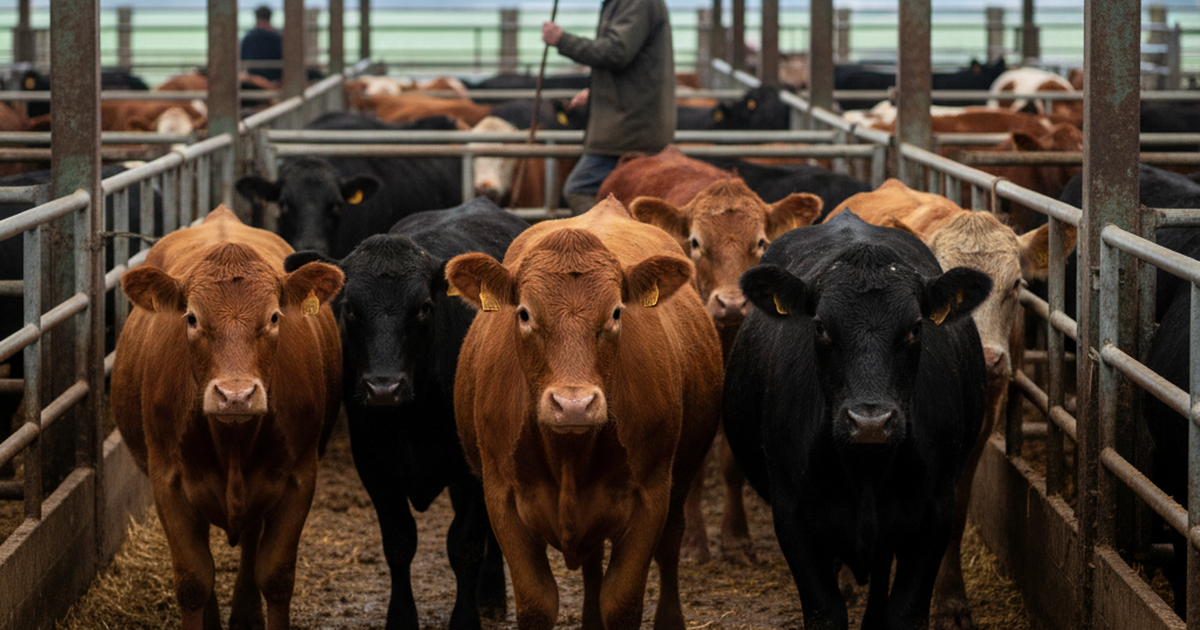
The government credited the surge to sustained high commodity prices across key sectors. Beef farmers will be particularly pleased—cattle output hit £1.1 billion, a 27% jump on 2024 and the highest figure ever recorded. Dairy farms saw their output climb 9% to £617 million, while sheep farmers enjoyed an 18% rise to £353 million. Potato growers also benefited from a 15% surge in output to £432 million.
However, the picture wasn’t uniformly positive. Scotland’s pig sector was the only industry to post a decline, falling 8% to £145 million. Cereal producers faced continued pressure, with barley output dropping 18% to £242 million—the second consecutive year of decline. The report attributed the barley slump to reduced demand from brewing, malting and distilling operations, as well as weaker prices for human and industrial use.
What This Means for Farmers
These numbers matter well beyond Scotland’s borders. The UK farming sector operates as an interconnected market, and Scottish price trends influence GB-wide benchmarks. When Scottish beef values jump 27%, you can expect processors and buyers across England and Wales to feel the ripple effect—whether they like it or not.
For livestock farmers south of the border, the data offers a mixed信号. Yes, high beef prices are welcome after years of squeezed margins, but the report’s note that finished cattle numbers fell 5% while values rose suggests supply constraints are driving this boom. If you’re thinking about expanding your herd, the math might work—provided you can secure stock at reasonable prices.
The dairy figures are encouraging but warrant scrutiny. Production increased and prices held firm until the end of 2025, but the year ahead brings uncertainty. Milk processors are already signaling pressure on contracts, so don’t assume these conditions persist without negotiation.
The decline in barley values should alarm combinable crop growers everywhere. The report links this directly to reduced demand from Scotland’s whisky industry—and that’s a trend worth watching. If malting barley demand weakens in one of the world’s most concentrated whisky-producing regions, English and Welsh growers supplying the same market could face similar headwinds.
Poultry and pig farmers will view these figures with particular interest. The pig sector’s 8% contraction adds to mounting evidence of structural challenges in intensive livestock. If you’re invested in this space, the numbers suggest you need either scale or differentiation to remain viable long-term.
What to Do Next
If these numbers represent your business reality, several actions deserve consideration. For beef and sheep producers currently enjoying elevated prices, now is the time to lock in forward contracts where possible. The experience of recent years teaches that commodity booms are rarely permanent, and fixed prices provide the certainty needed for sensible investment planning.
Cereal growers facing barley pressure should review their cropping plans for 2026. The report points to specific demand destruction from industrial users, which won’t reverse quickly. Consider whether wheat or alternative break crops offer better margins, and investigate whether protein crops or renewable energy contracts might diversify your income.
Dairy farmers should examine their cost structures aggressively. The 9% output increase shows producers are expanding, which means more milk is hitting the market. Higher volumes typically pressure prices, so efficiency gains now could be the difference between profit and loss later.
Specifically, finally, every farmer should scrutinise the Scottish Government’s stated reasoning about free-range egg popularity affecting prices. Whether you view this as consumer trend or regulatory pressure, it’s a reminder that public perception increasingly shapes agricultural markets. Understanding your end market’s values isn’t optional anymore—it’s important business planning.
Frequently Asked Questions
How much did Scotland’s farm income increase in 2025?
Scotland’s total farm income rose by 24% in 2025, reaching a record £1.5 billion according to official Scottish Government figures released on 30 April 2026.
Which farming sector saw the biggest growth?
Beef was the standout performer, with output worth approximately £1.1 billion in 2025—a 27% increase on 2024 and the highest figure on record.
Did all Scottish farming sectors perform well?
No. The pig sector declined by 8% to £145 million, and barley output dropped 18% due to reduced demand from brewing and distilling industries.
Why did barley output fall despite high farm income overall?
The report attributed the barley decline to lower prices and reduced demand for human and industrial use, particularly from the brewing, malting and distilling sector.
How do these figures affect English and Welsh farmers?
Scottish price trends influence GB-wide market benchmarks, meaning livestock farmers across the UK could see ripple effects from Scottish commodity price movements.
BritFarmers Weekly — launching soon
One honest email a week when we launch — what’s moved on schemes, prices, disease control and policy, with links to primary sources. Join the early list.