


Five UK sheep farmers have completed a one-year trial demonstrating that natural flystrike prevention methods can work alongside—or even replace—conventi…
Trial Shows Natural Approach Can Replace Chemicals
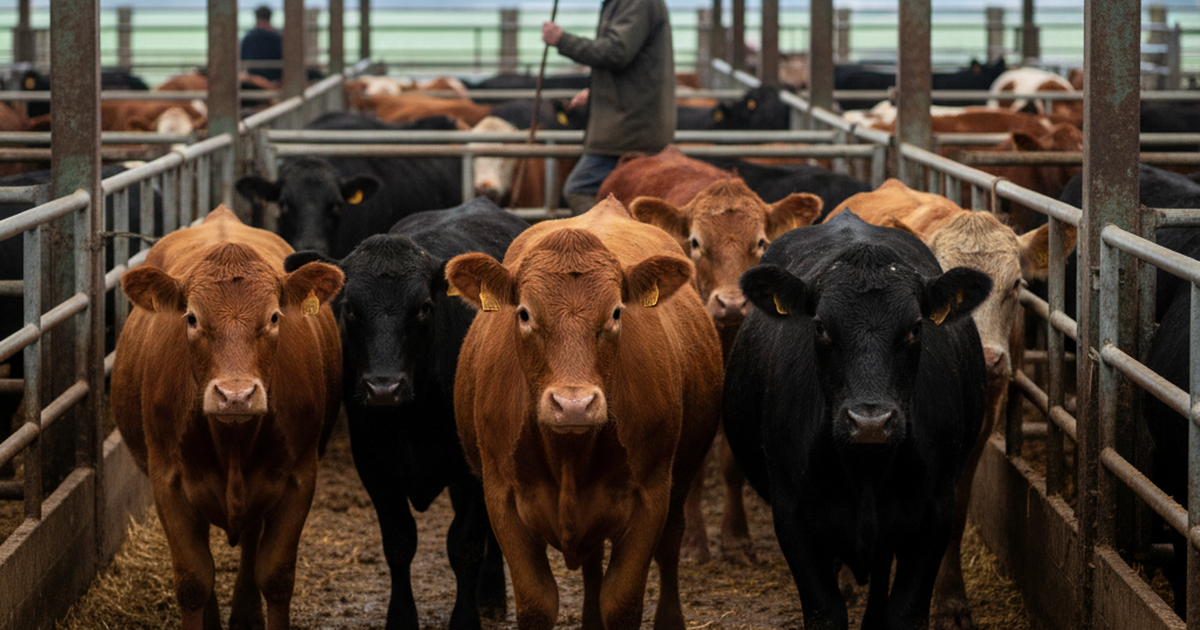
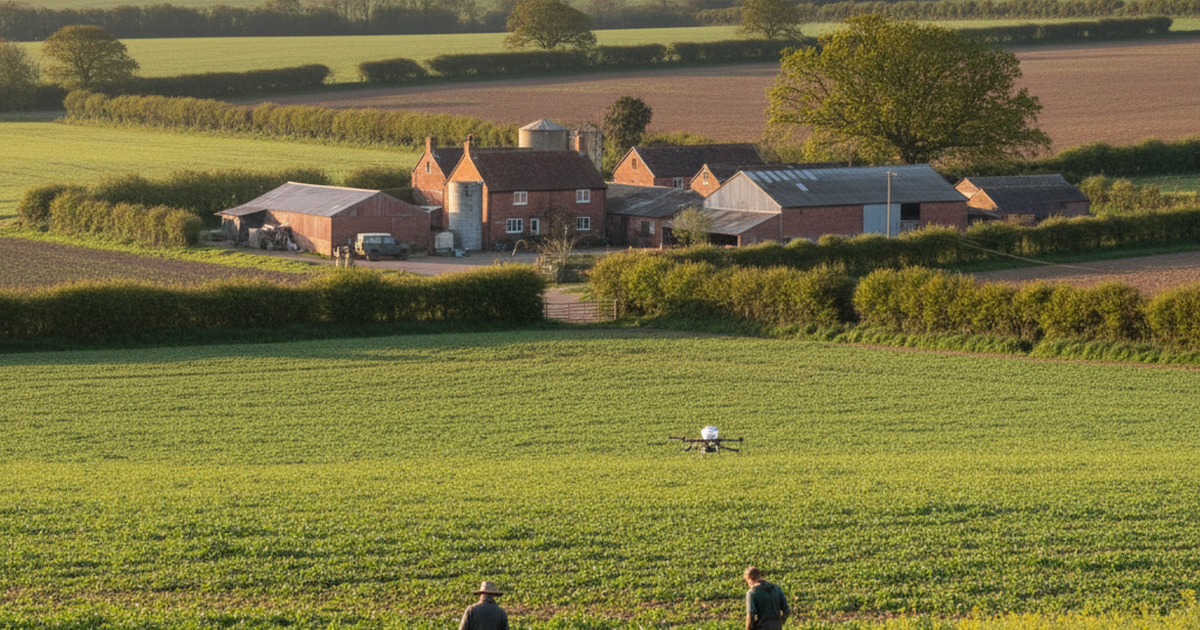
Five UK sheep farmers have completed a one-year trial demonstrating that natural flystrike prevention methods can work alongside—or even replace—conventional chemical treatments. The New Farmers field lab, announced on 27 April 2026, found that some groups of sheep finished the season without any treatment beyond early preventative measures, while most others relied on herbal sprays as risk levels climbed. Only two groups of lambs, already in poorer condition, required standard chemical intervention.
The trial tested a three-stage approach: starting with preventative management, moving to natural treatments as risk increased, and using chemicals only as a last resort. Trial co-ordinator Lynnie Hutchison said the results prove natural approaches can form the first lines of defence against flystrike, with a sliding scale approach reducing chemical reliance without compromising animal welfare.
Flystrike remains one of the most widespread challenges in UK sheep farming, affecting around 80% of flocks annually and costing the industry an estimated £2 million a year. As weather patterns shift, with blowflies emerging earlier and remaining active longer, traditional calendar-based treatments have become less reliable, leaving farmers searching for alternatives.
Chemical Costs and Concerns Driving Search for Alternatives
The drive to cut chemical use isn’t just about environmental pressure—it’s practical and financial too. Many conventional treatments are highly toxic to aquatic life, while residues in dung can harm beneficial insects such as dung beetles that naturally help control fly populations. Farmers face restrictions on handling treated animals, require protective equipment during application, and some processors are refusing treated fleece altogether, hitting farmgate returns.
The trial addressed these concerns directly. Products tested required no personal protective equipment, carried no meat withdrawal periods, and posed minimal environmental risk. When flystrike cases did occur, natural remedies including tea tree oil were used to remove maggots and prevent re-infestation without contributing to resistance build-up.
Farmers began with a homeopathic preparation added to drinking water to support resilience, alongside improved stock management. As risk levels rose, they introduced spray-on natural products, comparing commercial alternatives with their usual treatments. All five participating farmers said they would use the approach again.
What This Means for Farmers
This trial matters because it shows farmers don’t have to choose between welfare and sustainability—and that alternatives are already working on UK farms. The 80% flock infection rate means most readers will have dealt with flystrike this year, and the £2m annual cost to the industry translates to real money lost across countless individual businesses.
What makes this significant is the practical framing: it’s not about replacing all chemicals overnight, but using them strategically rather than as a default. The sliding scale approach gives farmers a framework to make decisions based on real risk rather than outdated calendar treatments.
The timing matters too. With blowfly seasons lengthening due to climate patterns, reliance on chemical programmes is becoming both less effective and more risky. Resistance is a growing concern across parasite control in livestock, and reducing unnecessary applications protects the tools farmers still need for severe cases. The British Veterinary Association is urging a more whole-farm approach to parasite control, and this trial shows farmers are already ahead of that curve.
For those worried about efficacy, the results speak for themselves: groups completing the season without chemical intervention is a significant finding, not a marketing claim.
What to Do Next
Farmers interested in cutting chemical use should review their current flystrike management programme and identify where natural approaches could fit. Starting with preventative measures—clipping, dagging, and keeping fields well-drained—costs nothing and reduces baseline risk. Adding supporting products to drinking water during high-risk periods requires minimal investment and can be integrated into existing routines.
If you’re dealing with flystrike, the trial showed tea tree oil preparations effectively remove maggots and prevent re-infestation. You’ll need to source appropriate products and understand withdrawal periods for your supply chain, but the lack of meat withdrawal periods for natural products simplifies the practicalities.
Keep records. The trial’s success came partly from monitoring risk levels and stepping up interventions accordingly. Knowing when your farm’s risk typically peaks—and whether that’s shifting—lets you apply treatments before strike occurs rather than chasing problems.
Specifically, consider linking with your vet and RAMAs to discuss integrated parasite management. The British Veterinary Association’s push for more whole-farm approaches means professional support for reduced-chemical strategies is increasingly available.
The full trial results are available through New Farmers for those wanting detailed protocols and product comparisons.
Key Facts
80% of UK sheep flocks affected by flystrike annually
£2m estimated annual cost to the industry
5 farmers completed the one-year trial
Natural approach reduced chemical use on most farms
No PPE or meat withdrawal periods required for products tested
All five participating farmers would use the approach again
Frequently Asked Questions
What is natural flystrike prevention?
Natural flystrike prevention uses non-chemical methods to protect sheep, including supporting treatments added to drinking water, herbal sprays applied to at-risk animals, and natural products like tea tree oil to treat existing strikes. The approach tested in the trial focused on prevention first, natural treatments as risk increased, and chemicals only as a last resort.
How effective are natural flystrike methods?
The farmer-led trial found that some groups of sheep completed the season without any chemical treatment, relying on early preventative measures and herbal sprays. Most farms used natural products during high-risk periods, with only two groups of already-unwell lambs requiring conventional chemicals.
What causes flystrike in sheep?
Flystrike occurs when blowflies lay eggs on sheep, usually in wet or soiled wool. The hatching maggots then feed on the sheep’s tissue. Risk increases with warm, damp conditions and when sheep have wounds, diarrhoea, or heavy fleece.
How can farmers reduce flystrike without chemicals?
BritFarmers Weekly — launching soon
One honest email a week when we launch — what’s moved on schemes, prices, disease control and policy, with links to primary sources. Join the early list.