

Organic Market — Trade announcements feel like background noise until one of them quietly removes a real barrier. The UK-Japan organic equivalency does that for any farm carrying full UK organic certification. The dual-certification cost was the thing pricing British producers out of Japanese shelves, and it’s gone.
The market figure to internalise is £1.4 billion, second-largest organic market in Asia, expanding because Tokyo itself is pushing organic consumption. That’s not theoretical headroom. UK organic dairy, beef, and processed meat producers can now ship under the same certification they already hold for domestic sales, against a buyer that pays a genuine premium for provenance.
For salad and veg growers who’ve watched Japanese demand for British leafy crops sit just out of reach, this is the same mechanism finally arriving for animal proteins. The bigger story is what it implies about the next equivalency rounds. Korea and Singapore have similar dual-cert frameworks, and the pattern matters once one falls. If you carry Soil Association or OF&G certification, the cost-benefit on a Japan-facing distributor conversation just changed materially. If you’re weighing organic conversion, that £1.4 billion figure is a column of the spreadsheet that didn’t exist on 31 March.
What happened and why it matters — Organic Market
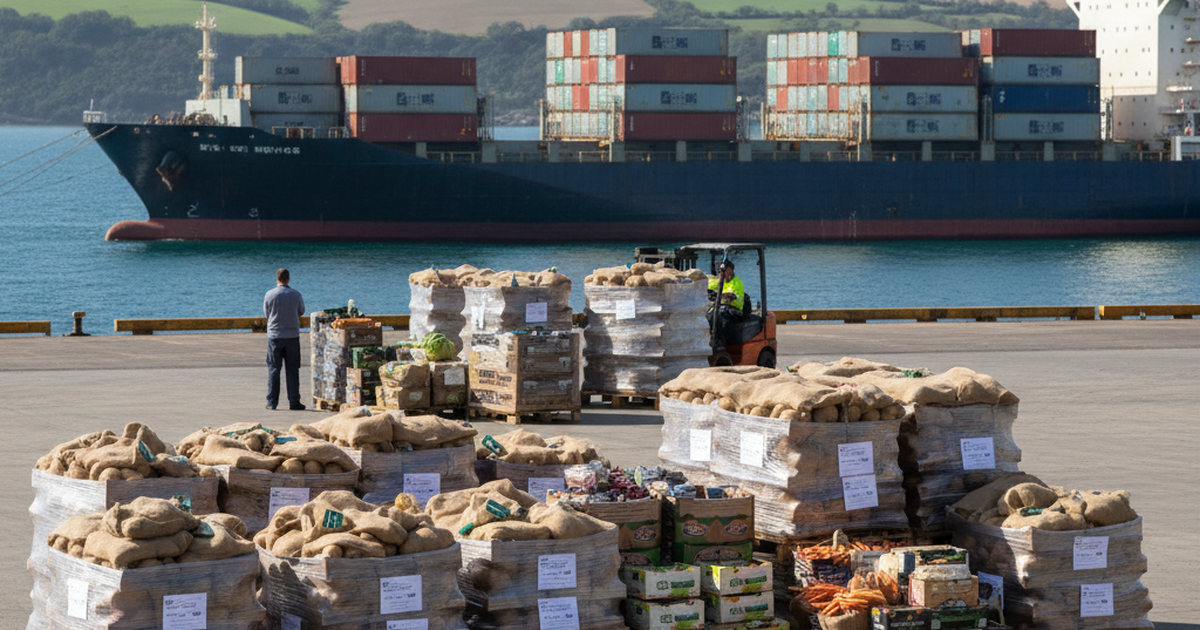
Britain’s organic farmers woke up on 1 April 2026 to news that could reshape their export horizons. The UK and Japan formally recognised the equivalency of each other’s organic livestock standards, meaning British producers now need only a single UK organic certification to sell organic meat, dairy and related products in Japan. Food Security Minister Dame Angela Eagle announced the deal at a time when Japan’s organic market, already the second largest in Asia, was valued at an estimated £1.4 billion in 2023 and expanding fast, driven by Tokyo’s own push to promote organic consumption domestically.
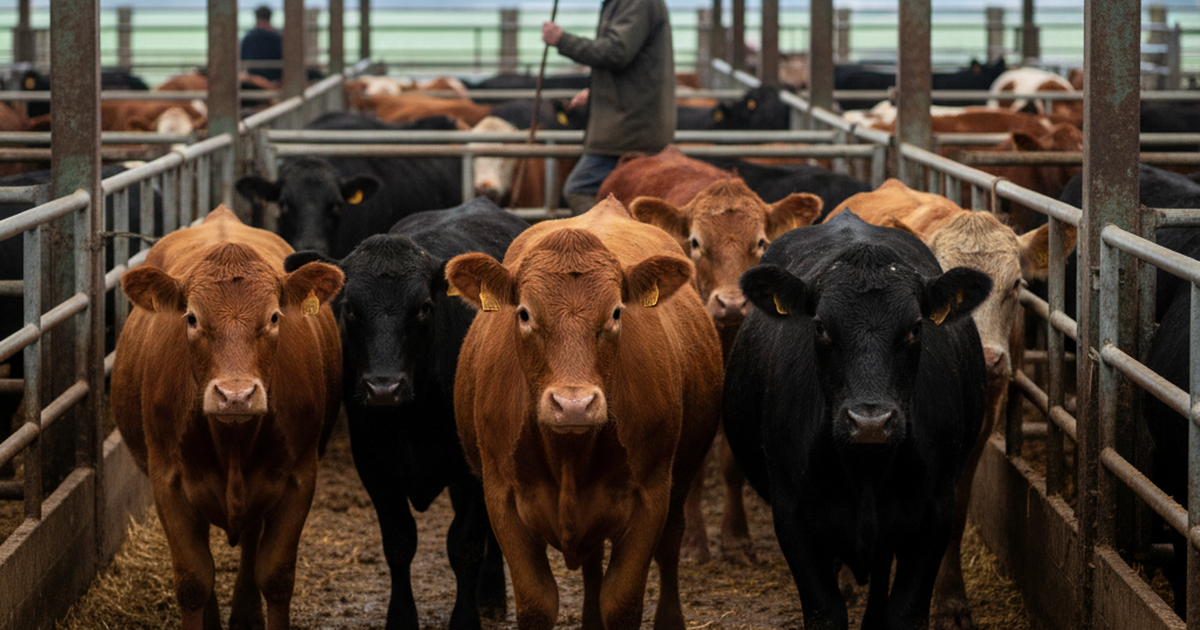
The equivalency arrangement tears up what had been a significant bureaucratic hurdle. Previously, British organic exporters shipping livestock products to Japan faced a dual certification process that added cost and complexity, effectively pricing smaller producers out of the market. That barrier has now been removed, opening the door to a wider range of British organic goods, from Welsh organic cheese and British organic beef to bacon and sausages, that can now reach Japanese shelves with the same certification they already hold for domestic sales.
The UK already enjoys a thriving organic trade relationship with Japan. British tea, fruit and vegetable juices, cereals, sauces and syrups have been winning over Japanese consumers for some time, while Japanese shoppers have been supplying British households with popular staples like organic soy sauce, noodles and green tea. The new arrangement builds on that foundation by extending market access to the livestock category, which had been conspicuously absent from the bilateral organic trade.
What this means for farmers
Let’s be direct about what this deal is worth to working farmers. Industry estimates suggest the removal of this trade barrier could generate millions in additional export revenue each year, figures that matter when UK organic farmgate prices remain under pressure and input costs have not fallen as quickly as many had hoped. The equivalency agreement does not guarantee instant orders, but it removes the administrative wall that made Japanese supply chains practically unreachable for all but the largest exporters.
For the UK’s organic livestock sector, this is a genuine opportunity to diversify beyond an EU market that has become more complicated since Brexit. The UK organic sector grew 4.2% in 2025 to hit a retail value of £3.9 billion, a sustained growth trajectory stretching back to 2012. Export access to Japan adds a premium market to that domestic strength. Stuart McNally, Business Development and Sales Manager at Welsh organic dairy co-operative Calon Wen, captured the mood well when he said the deal would allow his business to pursue opportunities previously out of reach, including organic business tenders worth substantial trade annually.
There are caveats worth stating plainly. The equivalency covers livestock standards specifically, not the full range of organic produce. Farmers in the horticulture or arable sectors who already export to Japan won’t see immediate changes. And Japanese consumer preferences, including packaging expectations and supply chain timelines, will require British exporters to adapt. But for livestock producers who have been watching their EU customer base shrink and their margins tighten, this deal offers a route to growth that simply did not exist a week ago.
What to do next
Farmers and producers who want to explore Japanese organic exports should start by contacting their certification body to confirm their current UK organic accreditation will satisfy the Japanese equivalency requirements. It should, but verifying the details now will save surprises later. Those already exporting non-livestock organic products to Japan may find their existing distributor relationships can be extended to cover the new livestock categories, providing a shortcut into the market without the cost of establishing entirely new supply chains.
Industry bodies and export facilitators will have a role to play in helping smaller producers work through Japanese market requirements, including food safety documentation, labelling rules and the expectations of Japanese retail buyers. Producers should also keep an eye on trade missions and buyer对接 events that Defra and the Department for Business and Trade are likely to arrange in the coming months, given this was flagged as a market access priority. Finally, those with no export experience whatsoever should resist the temptation to rush. The Japanese market is demanding but rewarding for producers who take the time to understand it. This deal has opened the door, walking through it sensibly is the next step.
Frequently Asked Questions
What organic products can now be exported to Japan under the new UK-Japan equivalency agreement?
British organic livestock products, including organic meat, dairy, bacon, sausages, cheese and butter, can now be sold in Japan with a single UK organic certification, as the two countries have formally recognised the equivalency of each other’s organic livestock standards.
How much is Japan’s organic market worth?
Japan’s organic market was valued at approximately £1.4 billion in 2023, making it the second largest organic market in Asia, with the sector expanding rapidly due to Japanese government initiatives to promote domestic organic consumption.
What does this mean for UK organic farmers?
UK organic livestock producers gain streamlined access to a premium export market without needing separate Japanese certification, cutting costs and bureaucracy. Industry estimates suggest the arrangement could generate millions of pounds in additional export revenue annually.
When did the UK-Japan organic equivalency arrangement come into effect?
The UK-Japan organic equivalency arrangement for livestock standards formally came into effect on Wednesday 1 April 2026, announced by Food Security Minister Dame Angela Eagle.
BritFarmers Weekly — launching soon
One honest email a week when we launch, what’s moved on schemes, prices, disease control and policy, with links to primary sources. Join the early list.