

Avian influenza housing orders lifting always feel like the end of a long winter, and the temptation is to treat the announcement as a return to normal that working poultry operations don’t quite get to enjoy. The orders lift; the disease pressure changes shape but doesn’t disappear.
The detail past the headline is the Prevention Zone staying in force. Biosecurity protocols, footdip discipline, visitor restrictions, and recording obligations all continue. For free-range egg producers about to swap their packaging from ‘eggs from hens housed in barns’ back to ‘eggs from free-range hens’, the marketing reset comes with a continuing operational cost that doesn’t disappear with the housing order.
The market impact is the part that matters longer-term. Consumer trust in the free-range label has held up better than some retailers feared, but the next housing order — and there will be one — is the test of whether that trust survives a second long winter indoors. The label resilience is now the real risk metric. Use the period before the next outbreak window to harden biosecurity infrastructure rather than relax it. The work that keeps housing orders brief is invisible and unglamorous, and lives in feed-store hygiene, vehicle wash-down, and rodent control.
The Deputy Chief Veterinary Officer confirmed the decision on 2 April following a risk assessment that showed highly pathogenic avian influenza levels in…
Housing Restrictions Lifted as Risk Falls — Avian Influenza
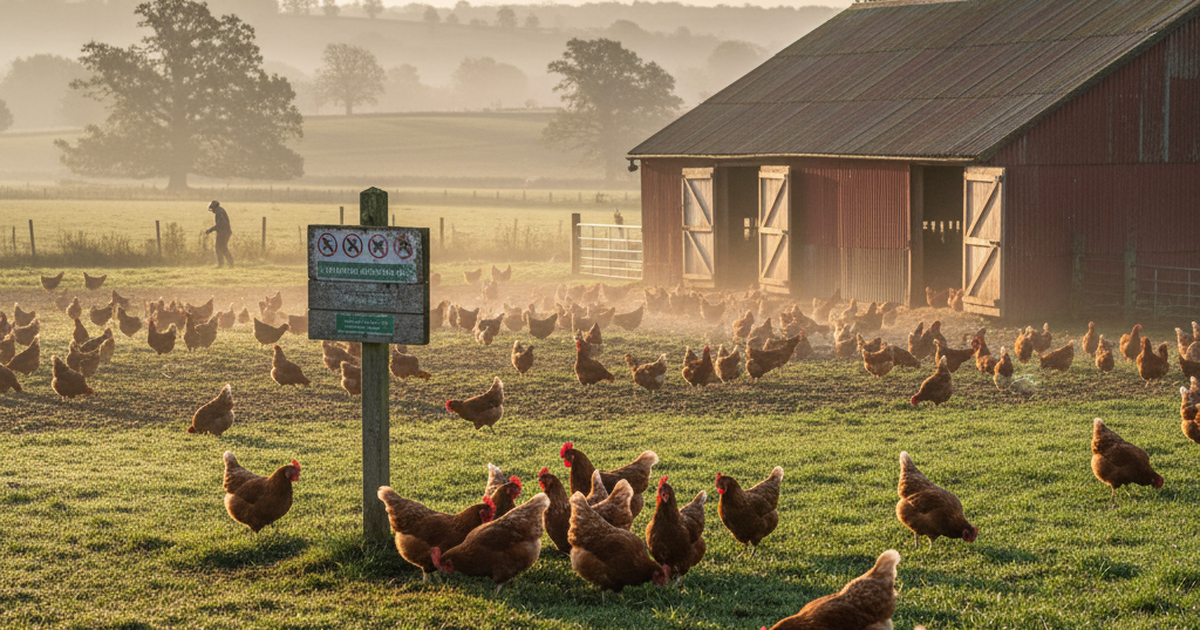
The housing order, which forced all poultry keepers to confine their birds indoors since 6 November, was one of the strictest measures seen in recent years. While the move will be welcome news for an industry that’s endured months of restrictions, the government has been quick to stress this isn’t a return to pre-outbreak normalcy. The Avian Influenza Prevention Zone remains in force, meaning strict biosecurity protocols must still be followed.
“With the threat of avian influenza receding, birds can now be allowed access to ranges and outdoor areas,” said Deputy UK Chief Veterinary Officer Jorge Martin-Almagro. However, he urged keepers not to become complacent, warning that the risk of birds contracting bird flu hasn’t disappeared entirely. Anyone operating within a Protection Zone or Captive Bird Monitoring Controlled Zone remains subject to additional restrictions and should check their obligations before making any changes to their bird management practices.
What This Means for Working Farmers
Let’s be honest about what this decision actually means on the ground. After five months of keeping birds locked up, many free-range producers have been operating under serious financial strain. Eggs from hens housed for more than 16 weeks technically lose their free-range status, and the market clearly differentiates between those products and proper outdoor-reared alternatives. This lifting can’t come soon enough for producers who’ve watched their premium products downgraded to barn prices.
The timing matters enormously too. Spring is traditionally when birds are at their healthiest and most productive, and outdoor access has measurable benefits for hen welfare and, frankly, for the quality of what ends up on consumers’ plates. Range access allows natural behaviours, reduces feather pecking incidents, and produces eggs with visibly darker yolks that British shoppers have come to expect from free-range brands.
I’m hearing real concern from some quarters about what’s been left behind in those outdoor areas. The housing order didn’t just keep birds away from wild bird droppings, it meant Ranges sat unused for months. That droppings, feather material and potentially contaminated litter has been accumulating on fields where wild birds have continued to visit. Chief Veterinary Officer for Wales Richard Irvine put it plainly: ranges and outdoor areas may still be contaminated with avian influenza virus. Before anyone opens those gates, there’s work to be done.
What to Do Next
The window between now and 9 April isn’t a holiday, it’s preparation time. Defra’s guidance is clear: keepers intending to let birds outside should use these days to cleanse and disinfect hard surfaces, check fencing for gaps that could allow wild bird access, and ensure feed and water sources can’t be contaminated by wildfowl.
The legal biosecurity requirements under the Avian Influenza Prevention Zone remain unchanged. That means disinfecting footwear before and after entering bird areas, changing or disinfecting clothing, and thoroughly cleaning vehicles and equipment that have been near poultry housing. These measures aren’t optional, they’re the law, and failure to comply could result in enforcement action.
Bird gatherings, including fairs and markets, continue to operate under either general or specific licences. If you’re planning any events involving bird movement or congregation, check with the Animal and Plant Health Agency about current requirements before proceeding.
Specifically, finally, remain vigilant. Report any signs of disease, unusual mortality, respiratory distress, or drops in egg production, to APHA immediately. Bird flu hasn’t gone away, as Richard Irvine stressed. The threat has diminished, yes, but complacency is how outbreaks regain momentum. Keep those biosecurity standards scrupulous, and let’s hope this spring marks the beginning of a sustained return to normal for British poultry keepers.
Frequently Asked Questions
When do the avian influenza housing measures end?
Mandatory housing measures for poultry and captive birds in England and Wales will be lifted from Thursday 9 April 2026.
Do free-range egg producers regain their status after the housing order lifts?
Yes, once birds are given access to outdoor ranges, eggs can once again be marketed as free-range. The 16-week limit that applies during housing periods will no longer be triggered.
Are there any areas where housing measures remain in place?
Yes, keepers within a Protection Zone or Captive Bird Monitoring Controlled Zone must continue to follow specific restrictions and should check with APHA before making any changes.
What biosecurity measures remain in force?
The Avian Influenza Prevention Zone remains in place across England, Scotland and Wales, requiring strict measures including footwear and clothing disinfection, equipment cleaning, and vehicle decontamination before and after entering bird premises.
What should farmers do before letting birds outside?
Defra advises cleansing and disinfection of hard surfaces, checking and repairing fencing, ensuring feed and water can’t be contaminated by wild birds, and preparing outdoor areas that may still harbour virus from the winter months.
BritFarmers Weekly — launching soon
One honest email a week when we launch, what’s moved on schemes, prices, disease control and policy, with links to primary sources. Join the early list.