

Notifiable Disease — The phone call to APHA is one of those decisions every working livestock farmer hopes never to have to make, and exactly the call that delays in making turn into bigger problems. This guide explains what actually happens after the call lands, because the gap between farmer expectation and APHA process is where the most stress accumulates.
If you’ve never been through a notifiable disease investigation, the section to read first is the immediate movement restrictions and the inspection sequence. The shock of the call isn’t the call itself; it’s the speed at which the operation changes shape afterwards, sometimes within hours. Knowing the sequence in advance lowers the stress when it lands.
The legal framework section is the one most farmers underestimate. Failure to report when you suspect a notifiable disease is a criminal offence. That’s stated plainly because the consequences of misjudging the call are wider than people assume. The legal obligation isn’t waivable; it isn’t deferrable; it isn’t ‘wait and see’. Read the section that fits your enterprise type before you need it. The decision to ring 03000 200 301 is faster and cleaner when you already know what’s going to happen on the other side of it.
Farmers face immediate movement restrictions and APHA investigations when reporting notifiable diseases, here’s what the process actually looks like and.
The moment you pick up the phone — Notifiable Disease
It starts with a single phone call. If you suspect something’s wrong with your livestock, something that fits the description of a notifiable disease, you have no choice but to dial 03000 200 301 and speak to a duty vet at the Animal and Plant Health Agency. It’s not a decision farmers take lightly. The moment you make that call, your farm enters a process that will fundamentally alter how you operate, sometimes for weeks or months.
The legal obligation to report is absolute. Failure to report your suspicions constitutes a criminal offence. That’s worth stating plainly because some farmers, particularly those who have never been through this, underestimate how seriously Defra and APHA treat these matters. You might convince yourself the symptoms are mild enough to wait and see. You cannot. The law exists because an outbreak of something like foot-and-mouth or avian influenza can devastate an entire sector within days.
When you call, a duty vet will ask detailed questions about your animals, their species, numbers, clinical signs, and recent movements. The vet will attempt to rule out notifiable disease over the phone. If they cannot, and in most cases involving genuine suspicion, they cannot, the investigation moves to the next stage.
What happens next on your farm
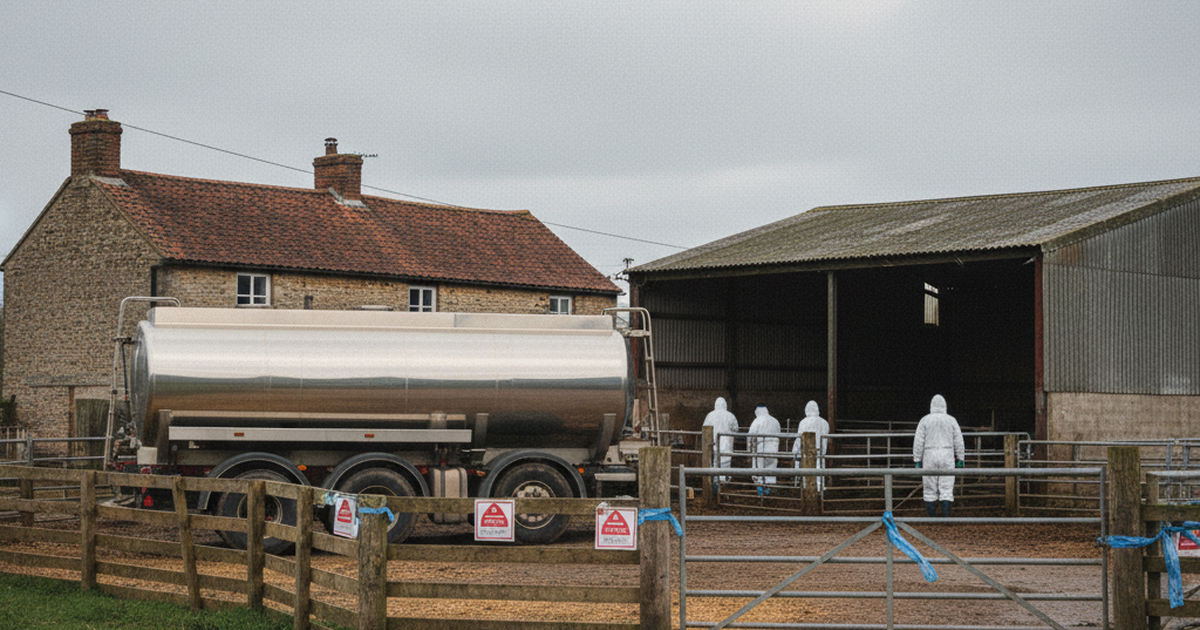
A veterinary inspector will need to visit your premises, usually within hours depending on the disease in question and the time of day. Before they arrive, the duty vet will impose immediate restrictions. You must stop moving any animals susceptible to the suspected disease on or off your holding. That means no sales, no transfers, no movements whatsoever until the inspector gives you further instruction.
But it doesn’t end there. You also cannot move anything that could transmit the disease, meat products, feed, equipment, vehicles, even clothing worn near affected animals. This is where farms get caught out. A delivery driver who parks near a sick pen, or a vet who visits without proper biosecurity protocols, can become an unwitting carrier. APHA takes this seriously because the science is unambiguous: disease spread correlates directly with movement of infected materials.
When the veterinary inspector arrives, they will examine your animals and take samples if they cannot immediately rule out notifiable disease. For some conditions, they may need to cull the animal to obtain proper diagnostic samples. That’s a brutal reality of the process, one dead animal becomes evidence to protect the rest of your herd and, more broadly, the national flock. The inspector will impose formal restrictions on your premises, and these carry legal force. Breach them and you face prosecution.
If the disease is confirmed
Should testing confirm a notifiable disease, APHA escalates its response significantly. They will conduct detailed investigations at your premises to determine how long the disease has been present, trace its origin, and assess whether it has already spread to other holdings. Every animal movement in the preceding weeks becomes relevant. If you have sold stock recently, those buyers’ farms will be placed under restrictions.
APHA will establish disease control zones around your premises and potentially in a wider area depending on the pathogen’s transmission characteristics. These zones restrict the movement of susceptible animals and are enforced with the full weight of animal health legislation. On your own farm, you can expect further culling of susceptible animals, initial cleansing and disinfection, and strict rules on restocking. Exports of animals and animal products may be suspended. Activities like hunting, agricultural shows, markets, and sales can be prohibited.
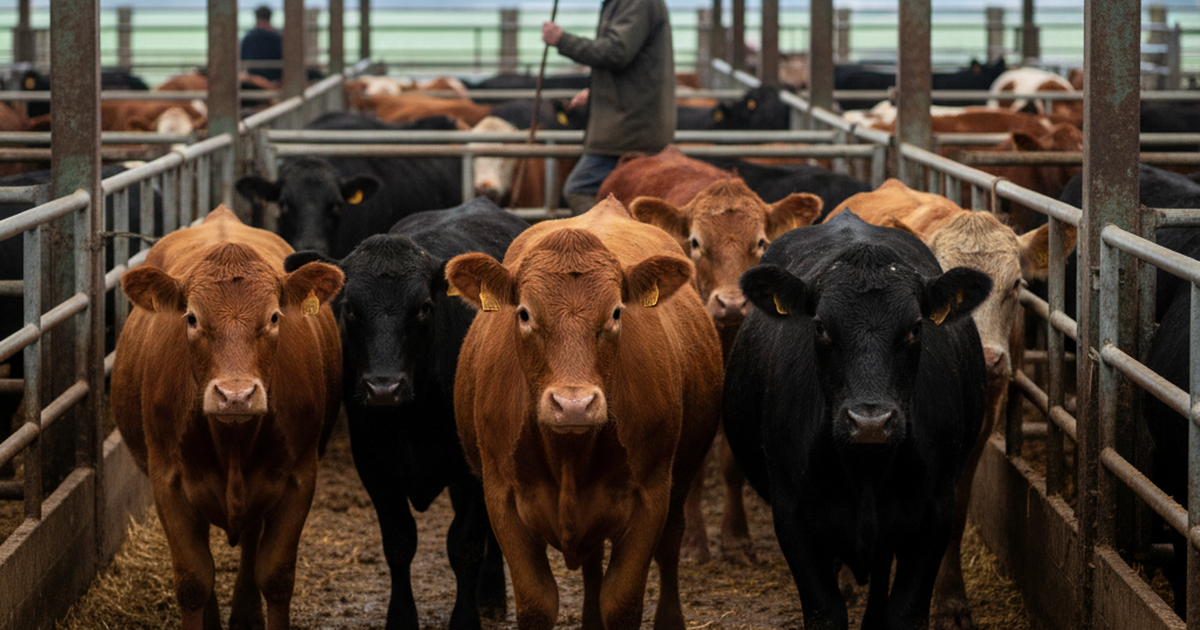
The economic impact is severe and immediate. Movement restrictions render your livestock unsellable. Restocking cannot begin until APHA is satisfied the disease has been eradicated and your premises are clean. For a cattle farmer with 200 head, this could mean months of zero income while continuing to bear feed and overhead costs. There is no government compensation scheme that fully covers lost trade value.
What this means for working farmers
Having covered disease outbreaks for fifteen years, I have watched farms torn apart by this process, not just by the disease itself, but by the bureaucratic machinery that follows. The system works as designed. It is effective at containing outbreaks. But it is also merciless in its logic: protect the national herd at any cost to the individual holding.
that most farmers will never make this call. But those who do deserve to understand what they are walking into. The restrictions are not suggestions. The vet who visits is not your advisor, they are an investigator acting on behalf of the state. Every answer you give shapes the scope of the response. Be accurate, be thorough, and understand that the process is adversarial by design, not by malice.
The 03000 200 301 number connects you to APHA’s duty vets. Save it in your phone. Save it somewhere you’ll find it if panic sets in at 6am on a Sunday when you find something wrong. That phone call is your legal duty. The aftermath is what this article has outlined. Preparation and knowledge are your only advantages.
What to do next
If you suspect a notifiable disease in your animals, call 03000 200 301 immediately. Do not wait. Do not consult your own vet first and ask them to confirm before reporting, your obligation to report arises from reasonable suspicion, not confirmed diagnosis. Describe what you have observed clearly and accurately.
Before the inspector arrives, restrict movements yourself. Isolate any sick animals. Note all recent animal movements on and off your premises, dates, destinations, hauliers. This information will be requested and having it ready speeds the investigation. Inform your neighbours if you believe there is any risk of airborne or wildlife-mediated spread, particularly for diseases like avian influenza.
Document everything during the investigation, restrictions placed, animals culled, costs incurred. Compensation schemes exist but require documentation. Finally, engage with your regional vet and farming union representatives. They have experience working through APHA investigations and can help ensure you meet your obligations while protecting your interests.
Frequently Asked Questions
What is a notifiable animal disease?
A notifiable animal disease is any disease that must be reported to the government by law if suspected in your animals. Examples include foot-and-mouth disease, avian influenza, African swine fever, and bluetongue.
How do I report a suspected notifiable disease?
Call the APHA duty vet on 03000 200 301. You must report if you suspect the disease, even if you are not certain. Failure to report is a criminal offence.
What restrictions will be placed on my farm?
You must stop moving susceptible animals on or off your premises. You must also stop moving anything that could transmit the disease, including meat products, equipment, and vehicles. A veterinary inspector will impose formal legal restrictions upon arrival.
Can I be compensated for animals culled during a disease outbreak?
Compensation schemes exist for animals culled for disease control purposes, but rates may not fully reflect market value. Proper documentation of culled animals, losses, and costs incurred is important to claim what you are entitled to.
How long do disease control restrictions last?
Restrictions continue until APHA completes its investigation and is satisfied the disease has been eradicated. This can take weeks or months depending on the disease, the size of the affected area, and the effectiveness of cleansing and disinfection.
BritFarmers Weekly — launching soon
One honest email a week when we launch, what’s moved on schemes, prices, disease control and policy, with links to primary sources. Join the early list.