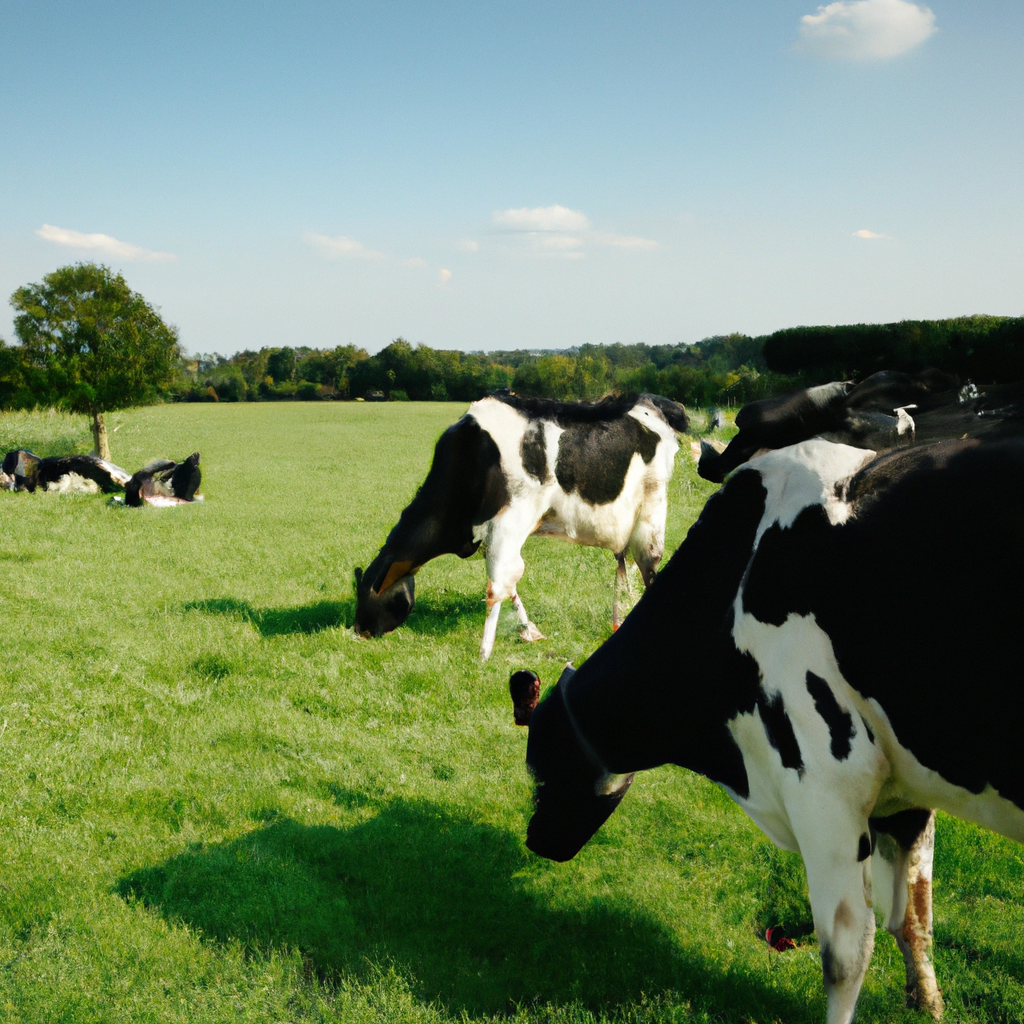


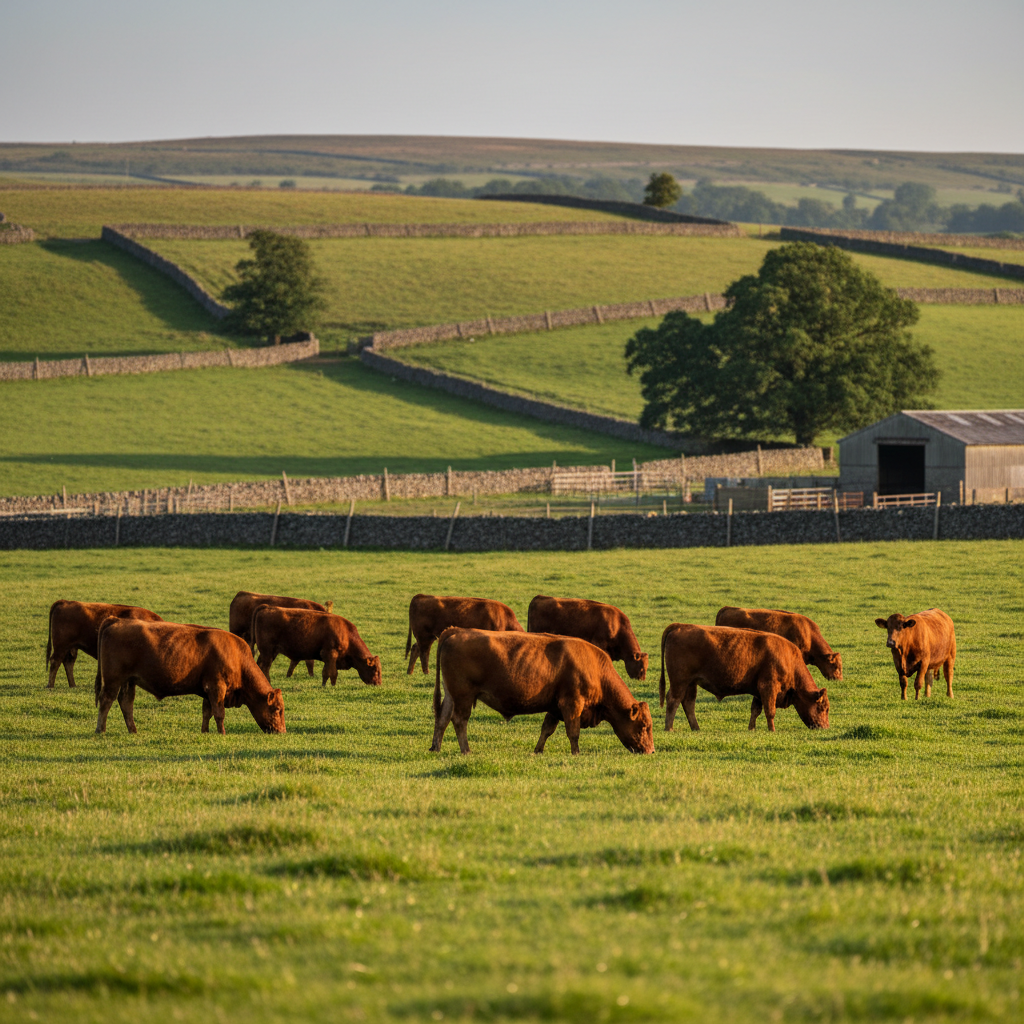
Cattle handling facility design is one of those topics where the difference between good and bad practice is measured in injuries, lost time, and the temperament of the herd over a season. The principles in this guide are sound, but the pieces that move actual farm outcomes are the layout decisions and the training discipline of the people working the system.
The detail to read first depends on whether you’re designing a new facility or improving an existing one. For new builds, the curved-race section and the calving-pen integration are the highest-impact decisions because they’re hardest to retrofit. For existing facilities, the changes that pay back fastest are usually around lighting, non-slip flooring, and visual blocking that prevents the animals from baulking at transitions.
For working farms, the practical move with any handling-facility piece is to walk the existing setup against the guide, looking for the specific points where animals consistently hesitate. Those points are where the system is fighting the animal rather than working with it. Fix those, and the rest of the operation gets easier. Read the section that matches your priority — new build, retrofit, or training. The investment in handling design pays back across every piece of work that depends on moving cattle through the system safely.
Cattle Handling In: Handling Facilities
Cattle handling facilities are important components of any cattle farm or ranch in the UK. A well-designed handling facility can reduce stress and improve the overall health and well-being of the cattle. The first consideration when designing a handling facility is the type of cattle being handled. Different breeds and sizes of cattle require different types of facilities. For example, a facility designed for handling large beef cattle may not be suitable for handling smaller dairy cattle.
The layout of the handling facility is also critical. The facility should be designed to allow cattle to move easily and efficiently through the system. This can be achieved by using a circular or curved layout, which helps to reduce stress and prevent cattle from becoming trapped or injured. The facility should also be well-ventilated and well-lit, with adequate space for cattle to move around comfortably.
In the UK, the cost of building a cattle handling facility can vary widely, depending on the size and complexity of the facility. A basic facility with a simple chute and gate system can cost around £10,000 to £20,000, while a more complex facility with advanced features such as automated sorting and weighing systems can cost £50,000 to £100,000 or more.
Consequently, it is also important to consider the materials used to build the facility. The facility should be constructed from durable, long-lasting materials that can withstand the rigors of regular use. Galvanized steel and concrete are popular choices for building cattle handling facilities, as they are strong, durable, and easy to clean.
Regular maintenance is also important to ensure the facility remains in good working order. This includes cleaning and disinfecting the facility regularly, as well as performing routine repairs and maintenance tasks such as oiling gates and replacing worn or damaged parts. The cost of maintenance can vary, but a budget of £1,000 to £2,000 per year is recommended.
Low-Stress Techniques
Low-stress cattle handling techniques are important for reducing stress and improving the overall health and well-being of cattle. These techniques involve handling cattle in a calm, gentle, and patient manner, using techniques such as slow and deliberate movements, and avoiding sudden noises or movements.
One of the key principles of low-stress cattle handling is to allow cattle to move at their own pace. Cattle handling in, this is worth noting. This can be achieved by using a “pressure and release” system, where cattle are allowed to move forward when they are ready, rather than being forced to move by the handler. This approach helps to reduce stress and prevent cattle from becoming anxious or frightened.
Another important aspect of low-stress cattle handling is the use of clear and consistent communication. Cattle respond well to clear and consistent signals, such as the use of a specific call or whistle to indicate that it is time to move. Handlers should also avoid yelling or making sudden noises, as this can startle cattle and increase stress levels.
The cost of training handlers in low-stress cattle handling techniques can vary, but a budget of £500 to £1,000 per handler is recommended. This can include the cost of attending workshops or training sessions, as well as the cost of equipment and materials needed to practice the techniques.
In addition to reducing stress, low-stress cattle handling techniques can also improve the efficiency and productivity of cattle handling operations. By reducing stress and improving the flow of cattle through the handling facility, handlers can process cattle more quickly and efficiently, reducing labour costs and improving overall profitability.
Safety
Safety is a critical consideration when handling cattle in the UK. Cattle can be unpredictable and dangerous, particularly when they are stressed or frightened. Cattle handling in, this is worth noting. Handlers should always wear protective clothing, such as sturdy boots, gloves, and a hat, and should be aware of their surroundings at all times.
One of the most important safety considerations when handling cattle is the risk of being kicked or trampled. Cattle can kick with tremendous force, and can easily injure or kill a handler who is not careful. Handlers should always approach cattle from the side, rather than from the front or rear, and should be aware of the cattle’s body language and behavior.
The cost of safety equipment, such as protective clothing and first aid kits, can vary, but a budget of £200 to £500 per year is recommended. This can include the cost of replacing worn or damaged equipment, as well as the cost of training handlers in safety procedures.
In addition to protecting handlers, safety considerations should also be taken to protect the cattle themselves. Cattle handling facilities should be designed and constructed to minimize the risk of injury to cattle, with features such as smooth, padded surfaces and gentle curves to reduce the risk of bruising and injury.
Regular maintenance and inspection of the facility are also important to ensure the safety of both handlers and cattle. This includes checking for worn or damaged equipment, as well as ensuring that the facility is clean and well-maintained.
Equipment
Cattle handling equipment is a critical component of any cattle handling operation in the UK. The type of equipment used will depend on the specific needs of the operation, but may include items such as chutes, gates, and sorting systems.
Chutes are used to guide cattle through the handling facility, and can be designed to accommodate different sizes and types of cattle. Cattle handling in, this is worth noting. Gates are used to control the flow of cattle through the facility, and can be manual or automated. Sorting systems are used to separate cattle into different groups, based on factors such as size, breed, or sex.
The cost of cattle handling equipment can vary widely, depending on the type and quality of the equipment. A basic chute and gate system can cost around £5,000 to £10,000, while a more complex sorting system can cost £20,000 to £50,000 or more.
In addition to the initial purchase price, handlers should also consider the cost of maintenance and repair. Cattle handling equipment can be subject to heavy wear and tear, and may require regular maintenance and repair to ensure it remains in good working order. A budget of £1,000 to £2,000 per year is recommended for maintenance and repair costs.
Handlers should also consider the durability and longevity of the equipment, as well as its ease of use and maintenance. Equipment that is easy to use and maintain can help to reduce labour costs and improve overall efficiency, while equipment that is durable and long-lasting can help to reduce the need for frequent repairs and replacements.
Handling Systems
Cattle handling systems are designed to streamline and simplify the cattle handling process, and can include features such as automated sorting and weighing systems. These systems can help to improve the efficiency and productivity of cattle handling operations, by reducing labour costs and improving the accuracy and speed of the handling process.
One of the key benefits of cattle handling systems is their ability to reduce labour costs. By automating many of the tasks involved in cattle handling, handlers can process cattle more quickly and efficiently, reducing the need for manual labour. This can help to improve overall profitability, by reducing labour costs and improving the efficiency of the operation.
The cost of cattle handling systems can vary widely, depending on the type and complexity of the system. A basic system with automated sorting and weighing capabilities can cost around £20,000 to £50,000, while a more complex system with advanced features such as data tracking and analysis can cost £50,000 to £100,000 or more.
In addition to the initial purchase price, handlers should also consider the cost of maintenance and repair. Cattle handling systems can be subject to technical issues and malfunctions, and may require regular maintenance and repair to ensure they remain in good working order. A budget of £1,000 to £2,000 per year is recommended for maintenance and repair costs.
Handlers should also consider the compatibility of the system with other equipment and software, as well as its ease of use and maintenance. A system that is easy to use and maintain can help to reduce labour costs and improve overall efficiency, while a system that is compatible with other equipment and software can help to streamline and simplify the cattle handling process.
Loading
Loading cattle is a critical component of any cattle handling operation in the UK, and requires careful planning and attention to detail. The process of loading cattle onto a truck or trailer can be stressful and challenging, particularly if the cattle are not handled carefully and humanely.
One of the key considerations when loading cattle is the design of the loading facility. The facility should be designed to allow cattle to load easily and efficiently, with features such as a gentle slope and smooth, padded surfaces. The facility should also be well-ventilated and well-lit, with adequate space for cattle to move around comfortably.
The cost of building a loading facility can vary, but a budget of £10,000 to £20,000 is recommended. This can include the cost of materials, labour, and equipment, as well as the cost of any necessary permits or inspections.
In addition to the design of the loading facility, handlers should also consider the type of vehicle being used to transport the cattle. The vehicle should be designed and constructed to minimize the risk of injury to cattle, with features such as smooth, padded surfaces and adequate ventilation.
The cost of purchasing or leasing a suitable vehicle can vary widely, depending on the type and size of the vehicle. A basic truck or trailer can cost around £10,000 to £20,000, while a more complex or specialized vehicle can cost £50,000 to £100,000 or more.
Handlers should also consider the cost of fuel, maintenance, and repairs, as well as the cost of any necessary insurance or permits. A budget of £2,000 to £5,000 per year is recommended for these costs.
Veterinary Checks
Veterinary checks are an important component of any cattle handling operation in the UK, and are used to monitor the health and well-being of the cattle. These checks can include a range of activities, such as visual inspections, weighing, and testing for diseases or parasites.
One of the key considerations when conducting veterinary checks is the qualifications and experience of the veterinary professional. The professional should be qualified and experienced in cattle health and welfare, and should have a strong understanding of the specific needs and requirements of the cattle being handled.
The cost of veterinary checks can vary, but a budget of £500 to £1,000 per year is recommended. This can include the cost of the veterinary professional’s time and expertise, as well as the cost of any necessary equipment or materials.
Related Topics
Livestock
Arable & Crops
Grants & Funding
Weather
Related Articles
Beef Cattle Farming UK 2026: Complete GuideCalving Season UK 2026: Complete Guide
Frequently Asked Questions
What new regulations affect cattle handling in the UK in 2026?
The 2026 UK livestock welfare regulations tighten restrictions on electric goads, requiring their use only as a last resort and mandating low‑stress handling training for all farm staff. Farmers must now keep detailed handling records and use only equipment that meets the revised safety standards. These changes aim to reduce animal stress and improve traceability across the supply chain.
How can I minimise stress for cattle during routine handling?
Using calm, steady movement and avoiding sudden noises dramatically lowers cattle anxiety. Ensure handling facilities have solid sides, good lighting, and non‑slip flooring so animals move willingly. Regular, gentle exposure of youngstock to handling routines also helps familiarise them and reduces stress.
What equipment is recommended for safe and efficient cattle handling on UK farms?
A modular cattle crush with adjustable sides, built‑in weighing, and non‑slip flooring is highly recommended for compliance with 2026 standards. Portable loading ramps with safety rails and non‑electric sorting gates improve safety and flow. High‑visibility signage and well‑maintained alleys further reduce bottlenecks and injury risk.
What are the key staff training requirements for cattle handling under the 2026 guidelines?
All personnel must complete an accredited low‑stress handling course and pass a practical assessment every two years. Training covers animal behaviour, proper equipment use, and emergency procedures for injured livestock. Records of training completion must be available for inspection by regulatory authorities.
BritFarmers Weekly — launching soon
One honest email a week when we launch — what’s moved on schemes, prices, disease control and policy, with links to primary sources. Join the early list.