Cover photo: J.Hannan-Briggs (CC BY-SA 2.0, cropped) · Source
Tim’s take:
£65 million sounds like serious money until you start dividing it between every drought-hit English business, which is precisely why most growers I speak to will read this headline with one eyebrow up. Water infrastructure does not come cheap, and the farms feeling the squeeze right now are the ones already buying in tankers or watching reservoirs turn to dust. A headline figure that disappears into a thousand abstraction points does not actually fix a hosepipe ban.
What matters more, frankly, is the SFI bump from £240m to £290m and the flexibility being dangled on existing scheme payments. Cash flow is the silent casualty of a dry summer, and being able to draw down environmental money without ticking every bureaucratic box could keep a few thousand lambs fed through August. Whether that flexibility extends to derogations on cover crop timing and buffer rules is the detail DEFRA has not yet confirmed, and it is the detail that will decide if this package actually lands on farm.
Watch this space on the South West visit on Saturday. If Burnham fronts up alongside Stephen Morgan and announces genuine abstraction flexibility, then £65m starts to look like a down payment rather than a photo opportunity. If it is all reimbursement and no reform, expect the Farming Twitter verdict by teatime.
The Prime Minister has announced a £65 million support package for English farmers hit by the worst July drought since records began, with cash for water.
A way through this story
Government Pledges £65m to Help Farmers Weather Driest July on Record
The Prime Minister has announced a £65 million support package for English farmers hit by the worst July drought since records began, with cash for water infrastructure, flexibility on environmental scheme payments, and an extra £50 million for the Sustainable Farming Incentive 2026.
Andy Burnham, making his first major farming intervention since taking office, will set out the measures during a visit to a farm in the South West on Saturday alongside Farming Minister Stephen Morgan. The package follows a COBR meeting earlier this week on the national response to extreme heat, wildfires and water scarcity.
Defra confirmed the funding boost takes the SFI 2026 budget from £240 million to £290 million, expanding access to the scheme for farmers looking to build drought resilience into their businesses.
On-Farm Water Storage and Scheme Flexibility at Heart of Plan
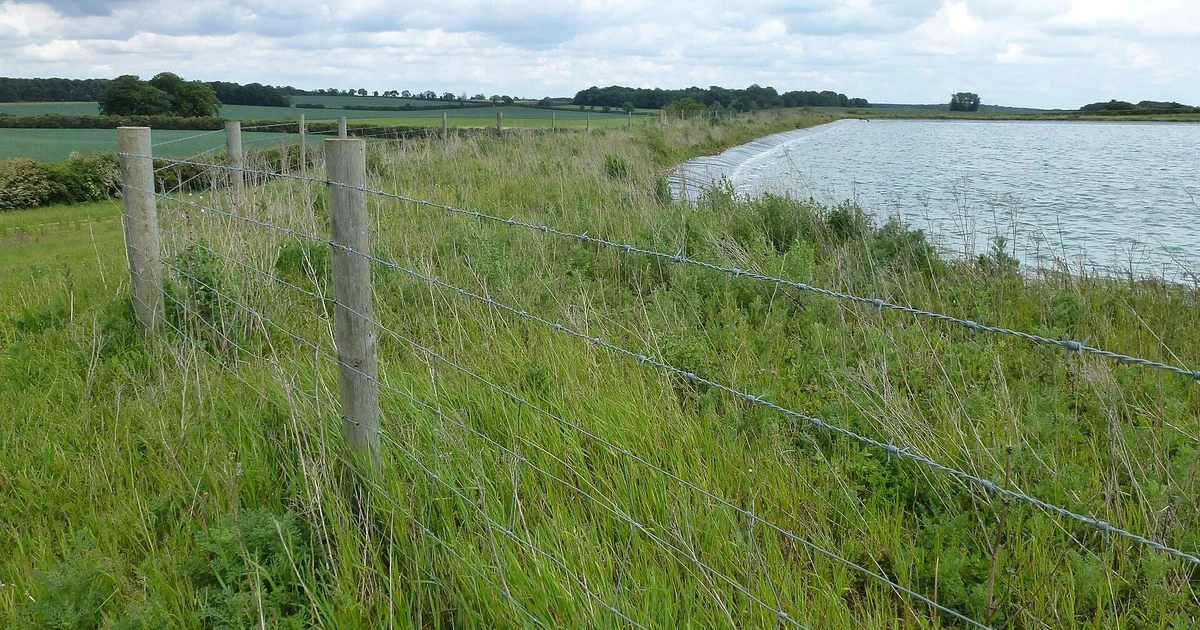
Alongside the £65m headline figure, ministers are pushing planning reforms to make it easier for farmers to build on-farm water storage. The current system has long been a frustration for growers who want to capture winter rainfall but face months of paperwork and planning fees.
The package also loosens the rules on existing environmental agreements. Farmers whose agreed activities, such as maintaining specific grass covers or particular sowing dates, become impossible due to drought will not lose their scheme payments. Defra says this is designed to stop a perverse situation where farmers are financially worse off for following the rules when the weather turns.
Livestock producers struggling to feed animals where grassland has burnt off will get additional support, though specific payment rates have not yet been published. Crop growers dealing with failed harvests will be prioritised for the new reservoir funding, with details on application windows expected within weeks.
Burnham: Growing Our Own Food Is National Security
Speaking ahead of the farm visit, the Prime Minister was direct about the stakes. “I am meeting with farmers here in the South West who brought in the earliest harvest of their working lives and watched the yield come in well down on what it should be. Lower income, higher costs, and no rain in the forecast. I understand the worry that comes with that.”
He added: “The ability to grow our own food is national security, and I will treat it that way. So we are acting now: more money into farm support, help to get reservoirs built, and easier access to water when it is scarce.”
Burnham framed the package as recognition that climate-driven extremes are now the operating environment for British farming, not a one-off. “This is the third drought in five years. Farmers are at the sharp end of a changing climate, and they should not be carrying that risk alone.”
What This Means for Farmers
In practical terms, the most immediate win is the payment protection on SFI and other scheme agreements. If you’re locked into a countryside stewardship option that’s become impossible to deliver because your ground is dust, you should not lose money for it. Defra has previously been slow to issue force majeure rulings, and this commitment to flexibility, if delivered consistently, removes a long-running complaint from scheme participants.
The £50m SFI top-up matters more than it might sound. With the scheme oversubscribed in its first round, additional funding opens the door to more growers, particularly those in the South and East who have been locked out. Expect Defra to publish a revised application window shortly, and prioritise those in the worst-affected catchments.
The reservoir planning reforms are the longer-term play. On-farm storage has been the single most obvious climate adaptation tool sitting in plain sight, blocked not by cost but by the planning system. If ministers genuinely strip that back, growers with abstraction licences will be able to capture winter rainfall and reduce summer peak demand on stressed rivers. That also helps Defra meet its own environmental targets, which is why the Treasury has backed the move.
What the package does not do is address the structural issue: input costs remain elevated, grain prices are volatile, and farm incomes for the 2026 harvest are going to be severely depressed regardless of this support. The £65m is meaningful for drought response, but it is not a farm income rescue. Anyone planning cash flow for the next 18 months should price in a tough winter.
What to Do Next
Review your existing scheme agreements now. If any SFI or countryside stewardship options are undeliverable because of drought, document the failure with photographs and yield records before contacting your scheme advisor. The new flexibility is only useful if you can evidence the impact.
Watch for the Defra announcement on the revised SFI 2026 application window. With £50m of new money in the pot, capacity will open up. Have your farm maps and soil data ready to apply quickly when the window opens.
If you’ve been considering on-farm water storage, get a conversation going with your planning consultant. The promised reforms have not yet been drafted into legislation, but the policy direction is clear, and early movers who lodge applications now may benefit from a more sympathetic interpretation of the rules during the transition. Contact your local Environment Agency office about abstraction licence timelines in parallel.
For livestock keepers, speak to your feed merchant about forward contracts. With grass recovery likely to be slow into 2026, forage will be tight, and prices for alternative feeds are already moving. Lock in supply where you can.
Frequently Asked Questions
How much funding is the government providing for drought-hit farms?
The government has announced a £65 million package, including an extra £50m for the Sustainable Farming Incentive 2026, taking the SFI budget to £290m. The remainder funds on-farm water storage support and drought response measures.
Will farmers lose environmental scheme payments during the drought?
No. Defra has confirmed farmers whose environmental agreement activities become impossible due to drought will not lose their payments. Farmers should document the impact and contact their scheme advisor.
What is the driest July on record doing to English farms?
The driest July on record in England and Wales has cut yields sharply across the South and East, forced the earliest harvest of many farmers’ working lives, and left livestock producers short of forage as grassland burns off.
Will planning rules for farm reservoirs be relaxed?
Ministers have committed to making it easier to build on-farm water storage, though specific planning reforms have not yet been published. The policy direction signals reduced red tape for reservoir construction.
BritFarmers Weekly
One email a week: what’s moved on schemes, prices, disease control and policy, with links to primary sources. Free. No sponsors. Unsubscribe anytime. Subscribe.
Source: Defra
You’ve reached the end of this story.