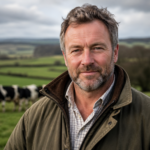

NI farming usually sets the policy weather a year or so before the same questions land on this side of the Irish Sea. A presidential election at the Ulster Farmers’ Union is worth a minute for that reason alone, even if the headline reads like a press release. The platform tends to migrate.
What stands out about McLenaghan isn’t the win itself but the operation he runs at Garvagh. Suckler beef, eggs, a wind turbine, and biogas — a mixed enterprise that already lives the diversification conversation the rest of the union talks about. That gives him standing with members the way a single-enterprise candidate doesn’t, and it should shape the priorities he puts to ministers in his first 100 days.
The vote turnout is a more honest signal than the manifesto. Some council members joined remotely; total engagement at AGMs has been thin across the unions for years. If McLenaghan can pull working farmers back into UFU rooms, the rest of his platform writes itself. If he can’t, the regulatory and market-volatility pressures he’s inheriting will eat the term. Worth watching the first appointments under him. Staff hires reveal priorities faster than speeches.
Garvagh farmer John McLenaghan has been elected president of the Ulster Farmers’ Union (UFU) following the union’s annual general meeting held on April 3…
New UFU President Takes Office After AGM Vote — Ulster Farmers
Garvagh farmer John McLenaghan has been elected president of the Ulster Farmers’ Union (UFU) following the union’s annual general meeting held on April 30 at the Loughry Campus of CAFRE in Cookstown. McLenaghan secured a two-year term after winning the vote among UFU council members, some of whom participated remotely via online facilities.
The new president brings considerable practical experience to the role. His mixed enterprise at Garvagh includes suckler beef cattle, an egg production unit, a wind turbine, and a biogas plant. This diverse farming background reflects the complex realities facing Northern Ireland’s agricultural sector.
Joining McLenaghan at the leadership helm are two deputy presidents. Glenn Cuddy from Donaghmore, County Tyrone, was re-elected for a second consecutive term, having previously served alongside outgoing president. New deputy president Clement Lynch hails from Claudy, County Derry, and operates a hill sheep farming enterprise. Cuddy’s own operation demonstrates the scale and diversity of modern Northern Ireland agriculture—a modern birth-to-bacon sow unit, suckler cows, and both pedigree and commercial sheep flocks.
The election outcome signals continuity and fresh perspective in equal measure. McLenaghan replaces the previous leadership team at a time when the agricultural sector faces mounting pressures from regulation, market volatility, and environmental requirements.
Minister for Agriculture, Environment and Rural Affairs Andrew Muir attended the AGM as guest speaker. Muir addressed council members before fielding questions during a dedicated Q&A session. His presence underscored the continued dialogue between government and the farming community at a time when policy decisions directly impact farm businesses across Northern Ireland.
What This Means for Farmers
McLenaghan’s election statement to council members reveals a leadership approach built on unity and pragmatism. His assertion that ‘we are only as strong as we are united’ arrives at a critical juncture for Northern Ireland’s farming sector, which has experienced significant division over recent policy implementations.
The new president’s remarks about the Office for Environmental Protection’s assessment of the Nutrients Action Programme (NAP) from 2019 to the present merit attention. McLenaghan noted the report’s acknowledgment of ‘positive investment and efforts from farmers’ alongside criticisms—a nuanced finding that will shape future regulatory discussions. For farmers concerned about compliance costs and bureaucratic burden, this balanced recognition suggests the new UFU leadership understands both the achievements and ongoing challenges facing farm businesses.
Muir’s confirmation that bovine TB remains a top priority addresses a persistent concern across Northern Ireland’s livestock sectors. The disease continues to devastate beef and dairy herds, with individual reactor animals representing direct financial losses for farmers. The minister’s commitment to tackling the ulster farmers situation will be watched closely by those operating in affected areas.
Specifically, equally significant is Muir’s description of the NAP stakeholder group as ‘focused and constructive.’ This language suggests government officials recognise the value of collaborative approaches rather than imposing top-down regulations. For farmers managing nutrient management requirements, how this stakeholder engagement translates into practical policy will determine whether the programme eases or intensifies regulatory pressure.
The new president’s mention of inheritance tax alongside climate change and international conflicts signals awareness that agricultural policy operates within a broader context. Family farm succession remains a critical issue for Northern Ireland’s predominantly owner-occupied farming structure. Any policy changes in this area could reshape land transfer decisions across generations.
McLenaghan’s acknowledgment that ‘there has never been a better time to be president’ alongside his realism about challenges ahead suggests measured optimism rather than either complacency or alarm. For members seeking a union that balances recognition of achievements with clear-eyed assessment of difficulties, this tone may prove reassuring.
The composition of the new leadership team—with representation from beef, pigs, sheep, and mixed enterprises across three counties—indicates the UFU aims to address concerns across the sector’s diverse segments. Whether this broad representation translates into effective advocacy on behalf of all members will become apparent as specific policy battles unfold.
What to Do Next
UFU members should engage directly with their new president and deputy presidents through established regional structures. McLenaghan’s emphasis on unity suggests he will prioritise building consensus across sometimes-fragmented farming interests. Members with specific concerns about regulations, market access, or succession planning should channel these through local UFU branches to ensure the leadership team receives representative feedback.
Farmers affected by bovine TB should monitor the minister’s promised actions carefully. While Muir has confirmed this remains a priority, previous administrations have made similar commitments. Documenting individual experiences with the disease and compensation schemes provides evidence that supports or challenges government claims about progress.
Those operating under Nutrients Action Programme requirements should review the Office for Environmental Protection report referenced by McLenaghan. Understanding both the criticisms and the acknowledged positive impacts of farmer investment helps construct informed responses to any proposed programme changes. The UFU’s continued participation in NAP stakeholder consultations depends on members providing practical feedback about what works and what creates unnecessary administrative burden.
Specifically, agricultural contractors, feed merchants, and other supply chain businesses should note the leadership changes and consider how the UFU’s stated priorities might affect industry engagement. McLenaghan’s diversified enterprise background—including renewable energy operations—suggests openness to integrated farm business models that extend beyond traditional primary production.
The timing of this leadership transition, occurring in late April 2026, positions the new team to engage with budget considerations and spring planting decisions. Members anticipating autumn policy developments around inheritance tax or environmental schemes should seek early clarification through UFU channels rather than waiting for announcements.
Northern Ireland’s farming community faces substantial decisions in the coming months. The new UFU leadership has indicated willingness to work collaboratively while acknowledging sector-wide challenges. Members who engage constructively with this leadership team—offering both support and honest feedback—will contribute to the ‘productive sustainable farming’ McLenaghan identified as the union’s shared objective.
Frequently Asked Questions
Who is the new UFU president elected in April 2026?
John McLenaghan, a Garvagh farmer with suckler beef, egg production, wind turbine and biogas plant enterprises, was elected UFU president for a two-year term at the union’s AGM on April 30, 2026.
Who are the UFU deputy presidents in 2026?
Glenn Cuddy from Donaghmore, County Tyrone, was re-elected as deputy president for a second term. He is joined by newly elected deputy president Clement Lynch, a hill sheep farmer from Claudy, County Derry.
What did Agriculture Minister Andrew Muir say at the UFU AGM?
Muir confirmed bovine TB remains a top priority for his department and described the Nutrients Action Programme stakeholder group as focused and constructive. He also addressed climate change, the Middle East conflict, and inheritance tax issues.
Where was the UFU AGM held?
The UFU annual general meeting was held at the Loughry Campus of the College of Agriculture, Food and Rural Enterprise (CAFRE) in Cookstown, with some council members participating online.
BritFarmers Weekly — launching soon
One honest email a week when we launch — what’s moved on schemes, prices, disease control and policy, with links to primary sources. Join the early list.